 Save on Pinterest
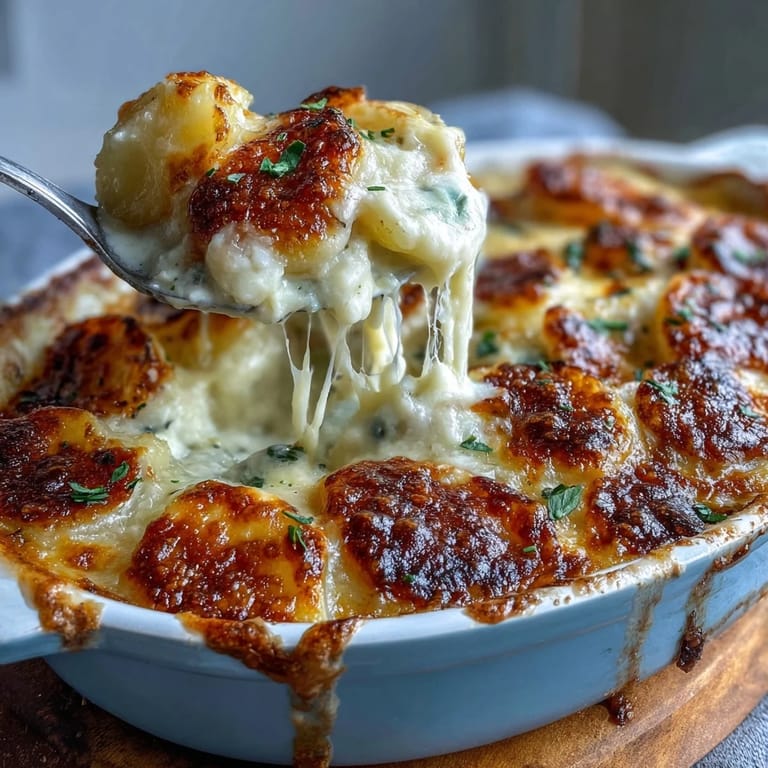
 My neighbor handed me a warm casserole dish through her kitchen window one December evening, steam rising from under the foil, and said simply, "Try this." That first forkful of creamy au gratin potatoes—the way the cheese had turned golden and crispy while the potatoes stayed impossibly tender underneath—stopped me mid-chew. I asked for the recipe that night, and she laughed, admitting she'd been making it for thirty years without writing anything down. Now I understand why it became her signature dish; there's something about the way cream and cheese transform humble potatoes into something that tastes like both comfort and celebration at once.
I made this for my in-laws' Easter dinner last year, convinced I'd somehow ruin it despite making it a dozen times before—that's the kind of dish that triggers kitchen anxiety. But as I pulled it from the oven and watched everyone's faces light up when they took their first bite, my friend's thirty-year tradition suddenly made complete sense. It wasn't just food; it was the moment when people stopped talking and just ate, grateful and quiet.
Ingredients
- Yukon Gold or Russet potatoes: Yukon Golds have a buttery texture that dissolves slightly into the cream, while Russets hold their shape better—choose based on whether you prefer a looser, silkier sauce or distinct potato layers.
- Heavy cream and whole milk: The combination of both creates a sauce that's rich without being heavy enough to coat your mouth; using only cream makes it feel almost too decadent.
- Garlic cloves: Minced garlic infuses the entire sauce with subtle depth, but don't let it brown in the cream or it turns bitter.
- Salt, pepper, and nutmeg: The nutmeg is the secret that people can't quite identify—it adds warmth and elegance without tasting spicy.
- Gruyère and Parmesan cheeses: Gruyère melts into silky pockets throughout the dish, while Parmesan creates the crispy, golden top and adds a salty bite that keeps the richness from becoming cloying.
- Fresh chives or parsley: These aren't just garnish; they add a fresh brightness that cuts through the cream and makes you want another bite.
Tired of Takeout? 🥡
Get 10 meals you can make faster than delivery arrives. Seriously.
One email. No spam. Unsubscribe anytime.
Instructions
- Prepare your stage:
- Set your oven to 375°F and butter that baking dish generously—the butter prevents sticking and adds a subtle richness to any potatoes that touch the sides. If you have a garlic clove, rub the inside of the dish with it for a flavor boost that feels almost invisible but makes people ask what's different.
- Build the cream sauce:
- Combine your cream, milk, garlic, salt, pepper, and nutmeg in a saucepan over medium-low heat, stirring occasionally until it's steaming but never letting it boil. The moment you see tiny bubbles forming around the edges, take it off heat; boiling breaks down the cream and makes the sauce grainy.
- Layer one:
- Spread half your potato slices in an even layer across the bottom of the dish, trying to overlap them slightly so they cook evenly. They should cover the entire bottom with as few gaps as possible.
- Cheese first layer:
- Sprinkle half your mixed Gruyère and Parmesan over those potatoes, making sure to get some in every corner. This layer will meld with the potatoes as they cook and create pockets of flavor throughout.
- Layer two:
- Arrange the remaining potatoes on top, again overlapping slightly and distributing them as evenly as you can. This is where patience matters—uneven layers cook unevenly, leaving some potatoes crunchy and others mushy.
- Add the cream:
- Pour your warm cream mixture slowly and evenly over all the potatoes, tilting the dish slightly to help it flow into the gaps. Wait a moment and pour any remaining cream around the edges.
- Top with cheese:
- Finish with the remaining Gruyère and Parmesan, spreading it across the entire surface so it can turn golden and crispy everywhere.
- First bake (covered):
- Cover the dish loosely with foil—loose enough that steam can escape but tight enough to trap some moisture—and bake for 40 minutes. You won't see much happening during this phase, but the potatoes are becoming tender and the cream is thickening underneath.
- Finish (uncovered):
- Remove the foil and bake another 20 to 25 minutes until the cheese on top is golden brown and you can see the cream just barely bubbling at the edges. The potatoes should be fork-tender, not mushy.
- Rest and serve:
- Let the dish sit for 10 minutes after coming out of the oven—this lets everything set up slightly and makes serving easier. Scatter chives or parsley over the top right before bringing it to the table.
 Save on Pinterest
 Last Thanksgiving, my young cousin came back for seconds of this when she usually picks at everything, and her mom looked at me like I'd performed actual magic. That's when I realized this dish transcends the category of "side" entirely—it becomes the thing people remember about the meal, the reason they ask you to bring it to potlucks, the comfort food that somehow feels elegant.
Why Potatoes Matter Here
The type of potato you choose changes the entire personality of this dish. I learned this the hard way using russets when a recipe called for Yukon Golds, and ended up with something that felt a bit gluey despite tasting good. Yukon Golds have a naturally waxy texture that holds shape while still becoming tender, creating those distinct potato layers people recognize. Russets, being starchier, absorb more cream and create a looser, almost risotto-like consistency that some people prefer. Neither is wrong—it's about whether you want the cream to be a background player or the main event.
The Cheese Strategy
I used to think all cheese was interchangeable in a baked dish, until someone handed me sharp white cheddar as a Gruyère substitute and I tasted the difference immediately. Gruyère has this subtle nuttiness that deepens as it bakes, almost like it caramelizes from the inside. Parmesan adds a salty punch and a crispy texture on top that you lose completely if you try to use it throughout. If you're substituting, use something aged and flavorful—bland mild cheese will disappear into the cream and leave you with a dish that tastes flat.
Making It Your Own
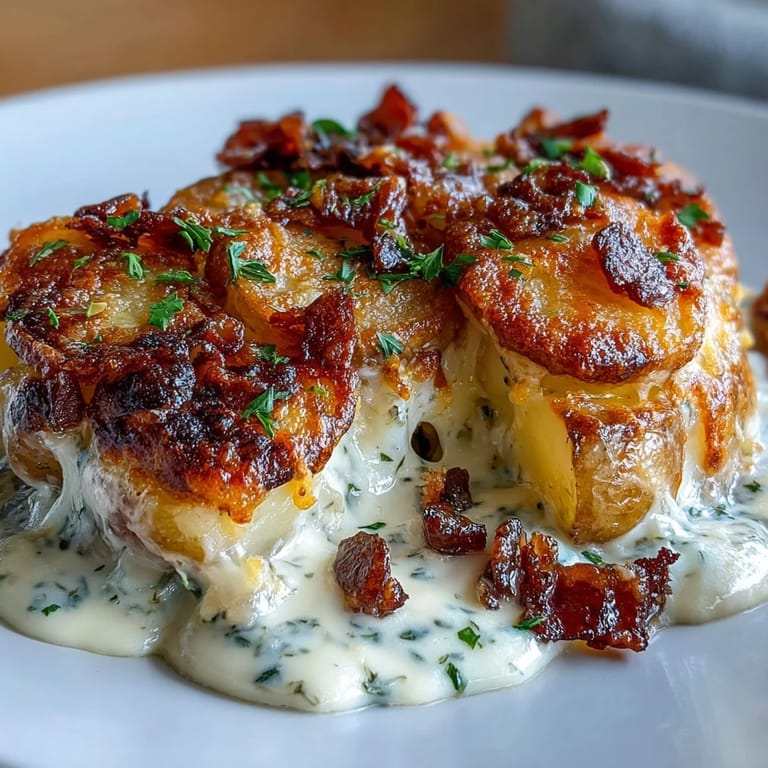
Once you've made this dish a few times and understand how it works, you start seeing possibilities everywhere. I've added thinly sliced sweet onions between layers for subtle sweetness, scattered fresh thyme before baking, and even added crispy bacon pieces for company who asked. The foundation is so solid that you can play with it without breaking anything. Just remember that every addition changes the flavor balance slightly, so taste as you go.
- Caramelized onions layered between potatoes add sweetness and depth without overwhelming the cheese.
- Fresh herbs like thyme or rosemary scattered between potato layers infuse flavor throughout rather than sitting on top.
- A tiny pinch of cayenne in the cream sauce adds complexity that nobody can quite identify.
 Save on Pinterest
 This is the kind of dish that teaches you how to cook with confidence, one golden, bubbling casserole at a time. Every time you make it, you get a little better at knowing exactly when to take it out of the oven, and people keep asking you to bring it to dinner.
Recipe Questions & Answers
- → What type of potatoes work best?
Yukon Gold or Russet potatoes are ideal due to their texture and ability to absorb flavors during baking.
- → Can I substitute the cheeses used?
Gruyère can be replaced with sharp white cheddar for a different flavor profile, while Parmesan adds a nutty finish.
- → How do I ensure the potatoes are tender after baking?
Thin slicing and layering with cream mixture, along with baking covered then uncovered, help achieve tender, fully cooked potatoes.
- → Is garlic essential in the cream sauce?
Garlic adds subtle aromatic depth; rubbing the baking dish with a garlic clove enhances flavor even more.
- → What garnishes complement this dish?
Chopped fresh chives or parsley provide a fresh, vibrant contrast to the rich creamy layers.