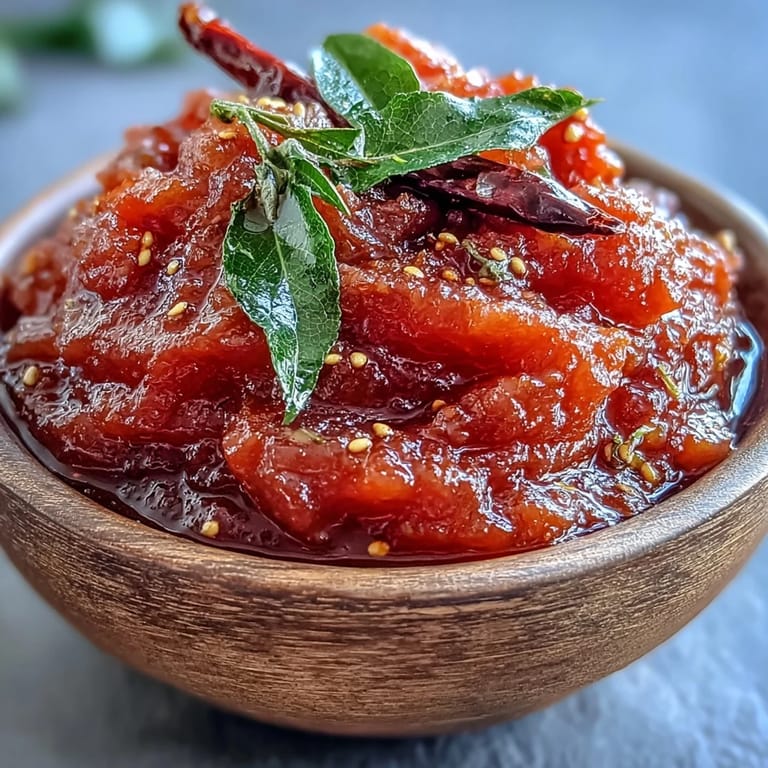
 Save on Pinterest
 My neighbor Mrs. Lakshmi taught me this chutney one Tuesday morning when I showed up to her kitchen complaining that my store-bought versions never tasted quite right. She laughed and said the secret wasn't in complexity but in listening to the mustard seeds pop, watching the coconut turn golden under the tempering oil. Within twenty minutes, we'd made a batch so vibrant and alive that I understood why she'd been making it for forty years without writing it down.
I remember serving this alongside fresh idlis to my roommate who'd never had South Indian food before, and watching her face light up at how the chutney balanced sweetness with the slight bite of ginger. She ended up eating three idlis instead of the one she'd planned on, asking if I could bottle and sell it. That's when I realized good chutney isn't just a side dish—it's the reason people come back for seconds.
Ingredients
- Semi-ripe guavas (2 medium, chopped): These are the backbone—ripe enough to be soft but with enough tartness to keep things lively, so taste before you buy and choose ones that yield slightly to pressure.
- Fresh grated coconut (¼ cup): It adds body and a subtle sweetness that balances the heat, and fresh is absolutely worth the effort over dried.
- Green chilies (1–2, chopped): Start with one unless you like serious heat, and remember you can always add more but can't take it back.
- Ginger (1-inch piece, peeled and chopped): Don't skip this—it brings a warm complexity that makes people wonder what they're tasting.
- Fresh coriander leaves (2 tablespoons, chopped): The final whisper of freshness that elevates this from good to memorable.
- Salt (½ teaspoon): Taste as you go and adjust, especially if your guavas lean sweeter than expected.
- Jaggery or brown sugar (1 teaspoon): A touch of sweetness that doesn't overpower but rounds out the acidity.
- Lemon juice (1 tablespoon): This brightness is what makes people ask for the recipe, so don't hold back.
- Coconut oil (1 tablespoon): Use pure, unflavored coconut oil so the tempering spices shine through.
- Mustard seeds (½ teaspoon): You'll hear them pop and crackle—that's when you know something magical is happening.
- Urad dal (½ teaspoon split black gram): These tiny lentils turn nutty and golden, adding texture and a subtle toasted flavor.
- Dried red chili (1): For warmth without overpowering the delicate guava flavor.
- Curry leaves (6–8): Break them gently between your fingers as you add them to release their aromatic oils.
- Asafoetida (a pinch, optional): This funky, pungent ingredient might smell odd in the jar but becomes savory and grounding once tempered in oil.
Tired of Takeout? 🥡
Get 10 meals you can make faster than delivery arrives. Seriously.
One email. No spam. Unsubscribe anytime.
Instructions
- Blend the base:
- Combine your chopped guavas, coconut, green chilies, ginger, coriander, salt, jaggery, and lemon juice in a blender with 2–3 tablespoons water. Pulse until smooth but still slightly textured—you want it to feel alive, not like baby food. Adjust the water gradually if you need a looser consistency.
- Transfer and breathe:
- Pour everything into your serving bowl and take a moment to taste it—this is when you adjust for heat, tang, or sweetness before the tempering arrives. It should taste bright and a little sharp at this stage.
- Heat the oil:
- Warm your coconut oil in a small pan over medium heat until it shimmers slightly. You want it hot enough that the mustard seeds will respond immediately but not so hot that everything burns.
- Temper the spices:
- Add the mustard seeds and listen—they'll pop and dance in the oil, releasing their nutty aroma. Once they settle down, add the urad dal, dried red chili, curry leaves, and a pinch of asafoetida, stirring constantly until the dal turns deep golden and fragrant, about 30–45 seconds.
- Finish with fire:
- Carefully pour the hot tempered oil and all its spices over your chutney while it's still sizzling. The contrast between cold and hot creates something extraordinary—mix it all together and taste one more time before serving.
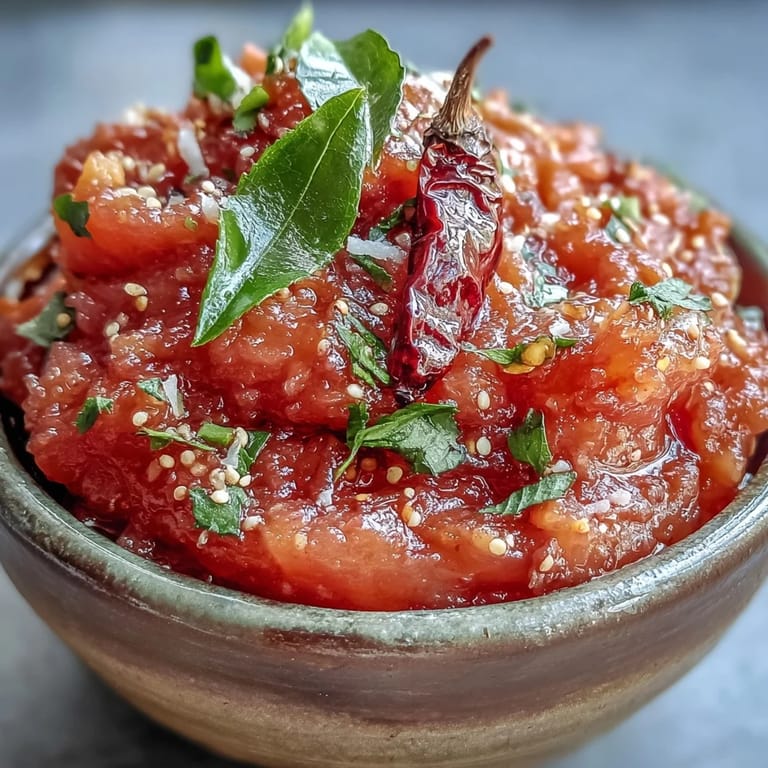 Save on Pinterest
 There was a morning when my roommate's mother visited from Chennai and I nervously served her my version of this chutney. She took one bite, paused, then smiled and said, "You're using the right guavas," which felt like the highest compliment anyone could give me. That's when I realized this recipe had stopped being something I was making and became something that connected me to people and places I cared about.
Choosing Your Guavas
The difference between good and forgettable guava chutney starts at the fruit stand. Semi-ripe guavas should be pale yellow-green with just a hint of give when you squeeze them—fully ripe ones are too soft and mushy, while rock-hard ones won't have enough natural tartness. If your guavas are particularly sweet, you might need an extra squeeze of lemon juice to balance things out, so taste the fruit before you commit to the full batch.
Tempering: The Soul of the Dish
This step is where coconut oil does something it can't do in any other context—it becomes a vehicle for spice aromatics, turning simple seeds and lentils into something deeply fragrant and complex. The heat transforms the urad dal from hard and bland into nutty and toasty, the curry leaves from grassy to almost floral, and the mustard seeds from silent to singing. This is cooking magic that takes less than a minute but changes everything, so don't rush it or let your attention wander.
Storage, Serving, and Soul
This chutney keeps beautifully for three to four days in the refrigerator, and actually tastes better the next day once the flavors have settled into each other. Serve it with warm idlis or dosas, alongside a crispy vada, or even spread it on a sandwich for something unexpected that'll make people ask what that incredible condiment is. It's the kind of recipe that teaches you how a handful of humble ingredients can become something greater than their sum, which is really what cooking is all about.
- Always use a clean spoon when scooping from the bowl to keep it fresh longer.
- If it thickens too much in the fridge, stir in a teaspoon of water to bring it back to life.
- Make a double batch and freeze half in ice cube trays for quick flavor whenever you need it.
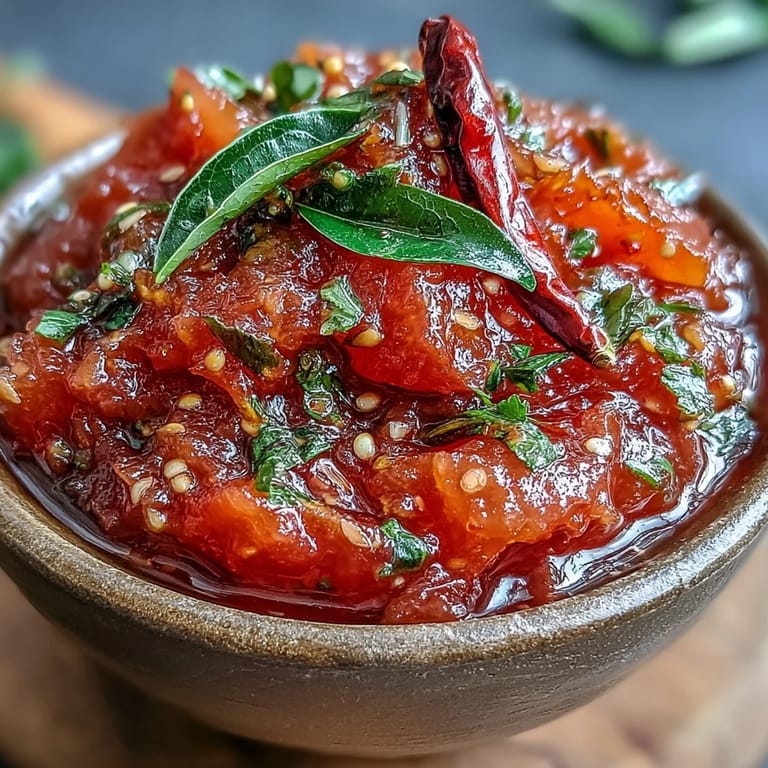 Save on Pinterest
 This chutney has become my answer to the question "What should I bring?" because it's humble enough to feel unpretentious but special enough that people remember it. Every time I make it, I'm grateful for that Tuesday morning in Mrs. Lakshmi's kitchen.
Recipe Questions & Answers
- → Can I make this chutney ahead of time?
Yes, prepare up to 2 days in advance and store refrigerated in an airtight container. The flavors actually develop and meld better overnight.
- → What can I substitute for fresh coconut?
Frozen grated coconut works well when thawed. Desiccated coconut rehydrated with warm water is an alternative, though fresh yields the best texture and flavor.
- → How do I adjust the sweetness level?
Taste the blended base before tempering. Add more jaggery for sweeter notes or increase lemon juice for extra tanginess. Guava ripeness also affects natural sweetness.
- → Is this chutney spicy?
Mildly spicy from green chilies, but the heat level is easily adjustable. Start with one chili and add more to taste. The dried red chili in tempering adds aroma rather than intense heat.
- → Can I freeze this guava chutney?
Yes, freeze for up to 3 months in freezer-safe containers. Thaw overnight in the refrigerator and give it a good stir before serving. The tempering may lose some crunch but flavors remain intact.