 Save on Pinterest
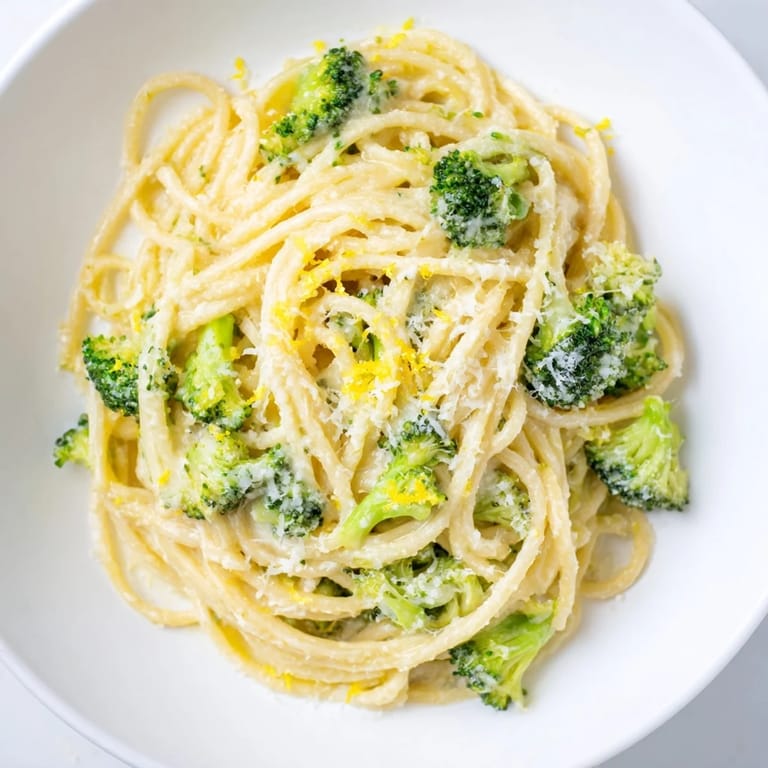
 Last Tuesday I stood in my kitchen at 7pm, completely exhausted, staring at a bag of broccoli and a box of spaghetti. My friend Sarah had mentioned tossing everything in one pot years ago, but I'd always been skeptical—how could pasta cook properly in just broth and milk? Five minutes later, my apartment smelled like garlic and lemon, and I realized I'd been overcomplicating weeknight dinners for decades.
My sister called while I was stirring in the lemon juice last week. She could hear the sizzling and asked what smelled so incredible. When I explained the method, she laughed and said she'd been doing two-pot pasta forever. Now she texts me pictures of her one-pot variations, usually with way more red pepper flakes than I dare to use.
Ingredients
- 12 oz dried spaghetti or linguine: Long noodles work best here, curling beautifully around the broccoli florets while absorbing all that flavorful cooking liquid
- 4 cups broccoli florets: Cut them smaller than you think you should—they'll cook down alongside the pasta and become tender, bright green gems throughout
- 4 cloves garlic, thinly sliced: Thin slices melt into the sauce rather than leaving harsh chunks, infusing every bite with gentle warmth
- 4 cups vegetable broth or water: Broth adds depth, but water works fine—just adjust your salt accordingly and maybe toss in an extra garlic clove
- 1/2 cup whole milk or plant-based milk: This creates the silky base that emulsifies with the starch, transforming into creamy sauce without any heavy cream
- Zest and juice of 1 large lemon: The zest brightens everything while the juice cuts through the richness, making each forkful feel like sunshine
- 1/4 cup freshly grated Parmesan cheese: Grate it yourself if possible—pre-grated has anti-caking agents that prevent smooth melting
- 2 tbsp olive oil: Start here to bloom your garlic, adding a fruity richness that ties all the flavors together
Tired of Takeout? 🥡
Get 10 meals you can make faster than delivery arrives. Seriously.
One email. No spam. Unsubscribe anytime.
Instructions
- Warm the aromatics:
- Heat olive oil in your large, wide pot over medium heat and add those sliced garlic cloves (and onion if you're feeling fancy). Let them sizzle gently for just a minute or two until they're fragrant and translucent—watch closely, because burned garlic turns bitter and ruins everything.
- Combine everything:
- Pile in the dry pasta, broccoli florets, broth, and milk all at once. Give it a good stir to distribute the broccoli evenly among the noodles, then bring the whole thing to a bubbling boil. The liquid should just barely cover everything.
- Simmer into sauce:
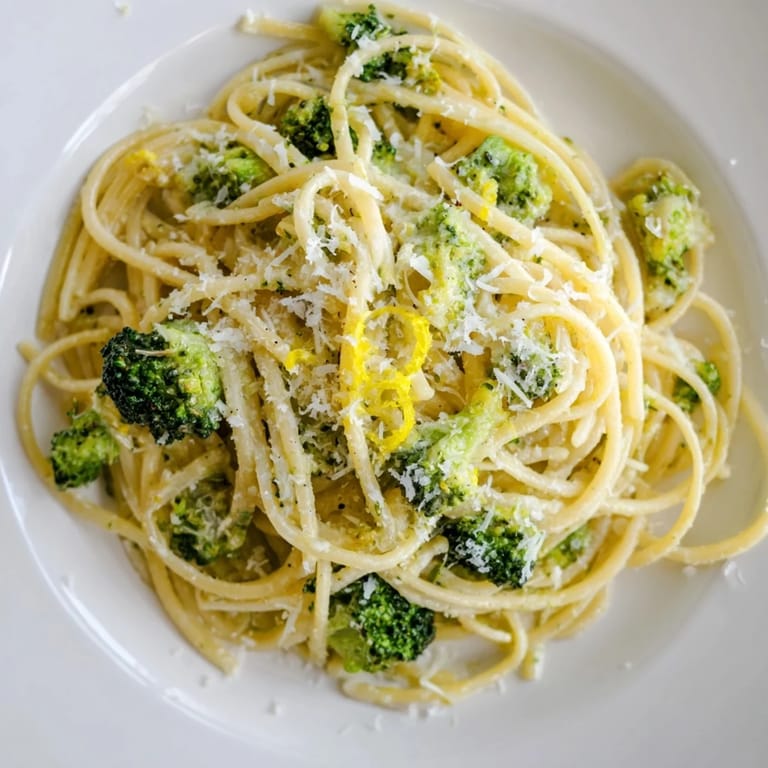
- Reduce heat and let it simmer uncovered for 10 to 12 minutes, stirring often so nothing sticks to the bottom. The pasta will absorb the liquid and release starch, naturally thickening what remains into a glossy, silky sauce that clings to every strand.
- Finish with brightness:
- Remove from heat and stir in that lemon zest and juice along with the Parmesan, salt, pepper, and red pepper flakes if you like some warmth. Let it stand for just a couple of minutes—the sauce will thicken slightly and cling even better to the noodles.
 Save on Pinterest
 This recipe saved me during finals week my senior year of college. My roommate and I would make a double batch on Sunday, eating it straight from the pot while studying at our tiny kitchen table. Now whenever I taste that bright lemon-garlic combination, I'm transported back to that cramped apartment, textbooks spread everywhere, feeling like a genius for discovering such perfect comfort food.
Making It Your Own
Once you master the basic method, this becomes a template rather than a strict recipe. I've swapped broccoli for asparagus in spring, added handfuls of spinach at the end just until wilted, and even tossed in frozen peas during winter when fresh produce feels impossibly expensive.
The Art of Timing
The secret is getting everything into the pot at the same time—broccoli and pasta have similar cooking times, so they finish together perfectly. If you're using quicker-cooking vegetables like snap peas or green beans, add them halfway through the simmer so they don't turn to mush.
Serving Suggestions
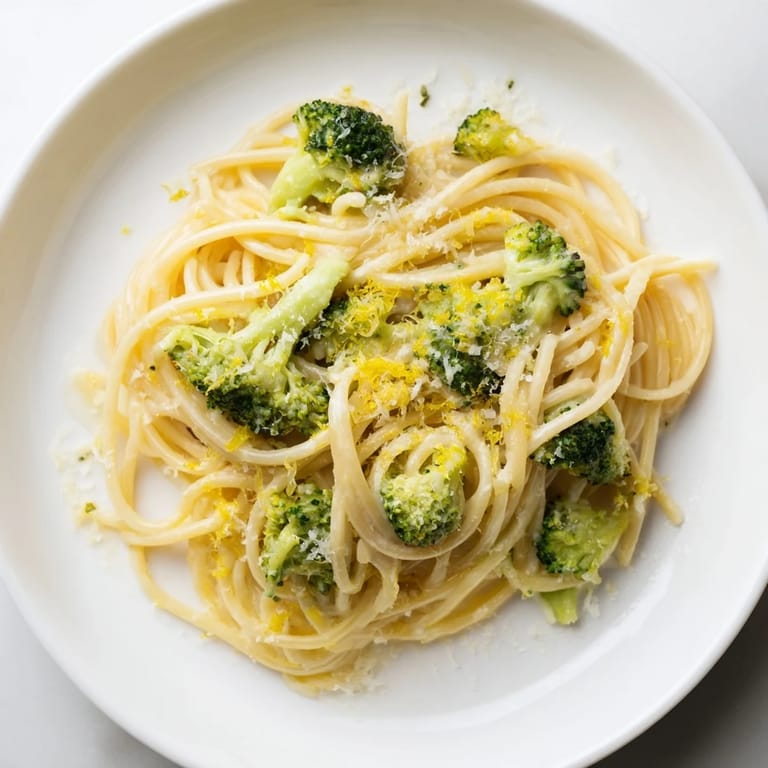
A crisp white wine like Pinot Grigio cuts through the richness beautifully, though I've also served this alongside a simple arugula salad dressed with just olive oil and more lemon juice. The peppery greens balance the creamy pasta perfectly.
- Extra Parmesan at the table is non-negotiable in my house
- A final grind of black pepper right before serving wakes up all the flavors
- Fresh basil or parsley adds a pop of color and an herbal note that feels fresh
 Save on Pinterest
 Some nights the simplest meals are the ones that stay with you longest, and this bright, comforting pasta has earned its place in my regular rotation. I hope it finds a permanent spot in yours too.
Recipe Questions & Answers
- → Can I use frozen broccoli instead of fresh?
Yes, frozen broccoli works well in this dish. Add it directly to the pot without thawing, though you may need to increase cooking time by 1-2 minutes to ensure it becomes tender.
- → What pasta shape works best?
Spaghetti or linguine are traditional choices that allow the sauce to coat the strands beautifully. Penne or fusilli also work well for capturing more of the lemon-infused sauce in their curves.
- → How do I prevent the pasta from sticking?
Stir frequently throughout cooking, especially in the first few minutes after adding the pasta. Using a wide, shallow pot rather than a deep one also helps with even cooking and prevents clumping.
- → Can I make this dairy-free?
Absolutely. Substitute plant-based milk for whole milk and use vegan Parmesan or nutritional yeast for the cheese. The dish remains creamy and flavorful with these swaps.
- → How can I add more protein to this dish?
Stir in cooked chickpeas, white beans, or tofu during the final minutes of cooking. You can also add pan-seared shrimp or grilled chicken for a heartier variation.
- → What vegetables can I substitute for broccoli?
Asparagus, zucchini, green beans, or baby spinach are excellent spring alternatives. Cut them into similar bite-sized pieces so they cook evenly with the pasta.