 Save on Pinterest
 My weeknights used to end in drive-thru lines until I realized I could build all the crispy, savory satisfaction of takeout in one skillet. This dish came together on a Tuesday when the fridge was nearly bare—just chicken, half a cabbage, and a few carrots. The smell of ginger hitting hot oil pulled my partner into the kitchen before I even plated it. Now it's the recipe I turn to when I want something fast, filling, and way better than anything in a paper bag.
I made this for a friend who swore she hated cabbage, and she scraped her bowl clean without realizing what she was eating. The key was letting the edges of the onions caramelize just enough to add sweetness, which softened the whole flavor. She texted me the next morning asking for the recipe, and I knew I had a winner. It's become my go-to when I want to prove that simple ingredients can taste anything but boring.
Ingredients
- Boneless, skinless chicken breasts: Slice them thin so they cook fast and soak up the sauce evenly—I learned this after chewy, uneven pieces ruined my first attempt.
- Neutral oil: Vegetable or canola oil can handle high heat without smoking, which matters when you want a good sear on the chicken.
- Yellow onion: Thinly sliced onions turn sweet and jammy as they cook, balancing the salty soy sauce perfectly.
- Garlic and ginger: Freshly minced garlic and grated ginger create that aromatic base that makes the whole kitchen smell like a restaurant.
- Green cabbage: Shred it yourself for the best texture—pre-bagged coleslaw mix works in a pinch, but it tends to wilt faster.
- Carrots: Shredded carrots add a pop of color and a touch of natural sweetness that rounds out the savory elements.
- Green onions: Sliced on a diagonal, they bring a fresh, sharp bite that brightens every forkful.
- Low-sodium soy sauce: This keeps the salt level in your control, so you can adjust without making the dish too salty.
- Rice vinegar: A splash of acidity cuts through the richness and makes everything taste brighter and more balanced.
- Toasted sesame oil: Just a teaspoon adds a nutty depth that ties all the flavors together.
- Sugar or honey: A tiny bit of sweetness balances the soy and vinegar, rounding out the sauce beautifully.
- Toasted sesame seeds: They add a subtle crunch and a hint of nuttiness that feels restaurant-quality.
- Sriracha or chili crisp: A drizzle on top gives you that addictive heat and texture that makes every bite a little different.
Tired of Takeout? 🥡
Get 10 meals you can make faster than delivery arrives. Seriously.
One email. No spam. Unsubscribe anytime.
Instructions
- Prep everything first:
- Slice the chicken, shred the cabbage and carrots, mince the garlic and ginger, and chop the onions and green onions. Having everything ready means the cooking moves fast and nothing burns while you're scrambling.
- Heat the oil:
- Pour the neutral oil into a large skillet or wok over medium-high heat and let it shimmer. The oil should be hot enough that a piece of onion sizzles immediately when it hits the pan.
- Cook the onion:
- Add the sliced onion and stir occasionally for about 2 minutes until it turns translucent and the edges start to soften. You want a little color but not full caramelization yet.
- Add garlic and ginger:
- Stir in the minced garlic and grated ginger, cooking for just 30 seconds until the smell hits you and fills the room. Don't let them brown or they'll turn bitter.
- Cook the chicken:
- Toss in the sliced chicken, season lightly with salt and pepper, and stir occasionally for 5 to 7 minutes until it's cooked through with no pink remaining. The chicken should have some golden edges where it touched the hot pan.
- Push and add vegetables:
- Slide the chicken mixture to one side of the pan, then add the shredded cabbage and carrots to the empty side. This keeps the vegetables from steaming under the chicken and helps them get a little char.
- Cook the vegetables:
- Toss the cabbage and carrots for 3 to 4 minutes until they soften but still have a bite. You want them tender-crisp, not mushy.
- Combine everything:
- Mix the chicken and vegetables together in the pan, stirring until they're evenly distributed. This is where the flavors start to blend.
- Add the sauce:
- Pour in the soy sauce, rice vinegar, sesame oil, and sugar or honey, then toss everything to coat. Cook for 1 to 2 minutes until the sauce clings to the chicken and vegetables and everything is heated through.
- Taste and adjust:
- Take a bite and see if it needs more soy sauce, salt, or pepper. I usually add a tiny pinch of salt to bring out the sweetness.
- Serve:
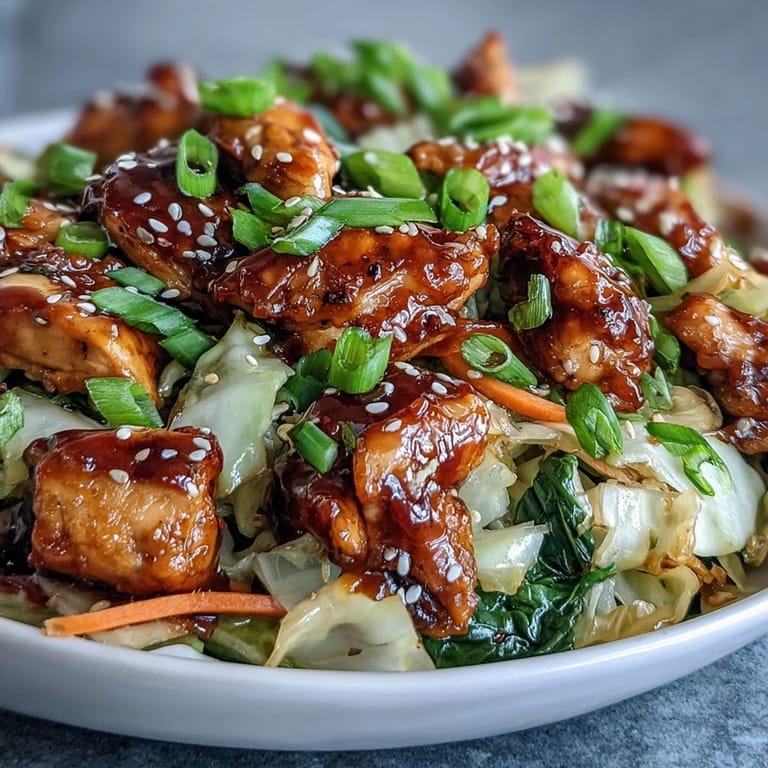
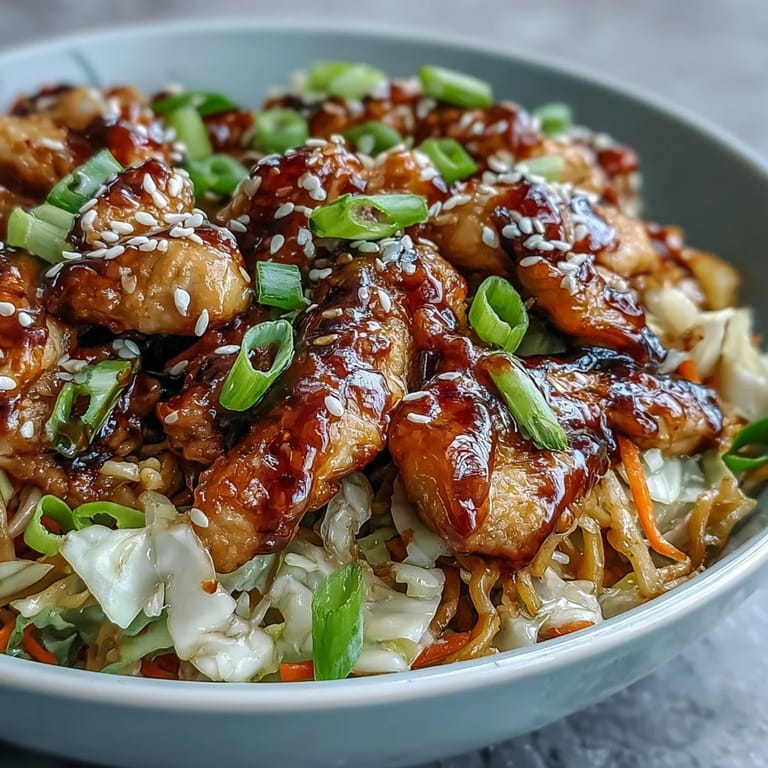
- Remove the pan from the heat and divide the mixture into bowls. Top each one with sliced green onions, toasted sesame seeds, and a drizzle of Sriracha or chili crisp if you like heat.
 Save on Pinterest
 The first time I served this to my kids, they didn't ask what was in it—they just kept eating. My youngest even asked for seconds, which never happens with vegetables. I realized then that this wasn't just a quick dinner; it was proof that good food doesn't need to be complicated. Now it's the meal I make when I want everyone at the table without a fight.
How to Make It Your Own
You can swap the chicken for ground pork, turkey, or even crumbled firm tofu if you want to change up the protein. I've used leftover rotisserie chicken when I'm in a rush, and it cuts the cooking time in half. A splash of fish sauce or hoisin sauce adds extra umami depth if you want a richer flavor. Some nights I toss in snap peas or bell peppers just to use up what's in the crisper drawer.
Serving Suggestions
This bowl is delicious on its own, but it's even better over steamed jasmine rice or cauliflower rice if you're keeping it low-carb. I like to serve it with a lime wedge on the side for an extra pop of brightness. If you want to stretch it further, add a fried egg on top—the runny yolk mixes into the sauce and makes everything richer. It also pairs well with a simple cucumber salad or pickled vegetables for contrast.
Storage and Reheating
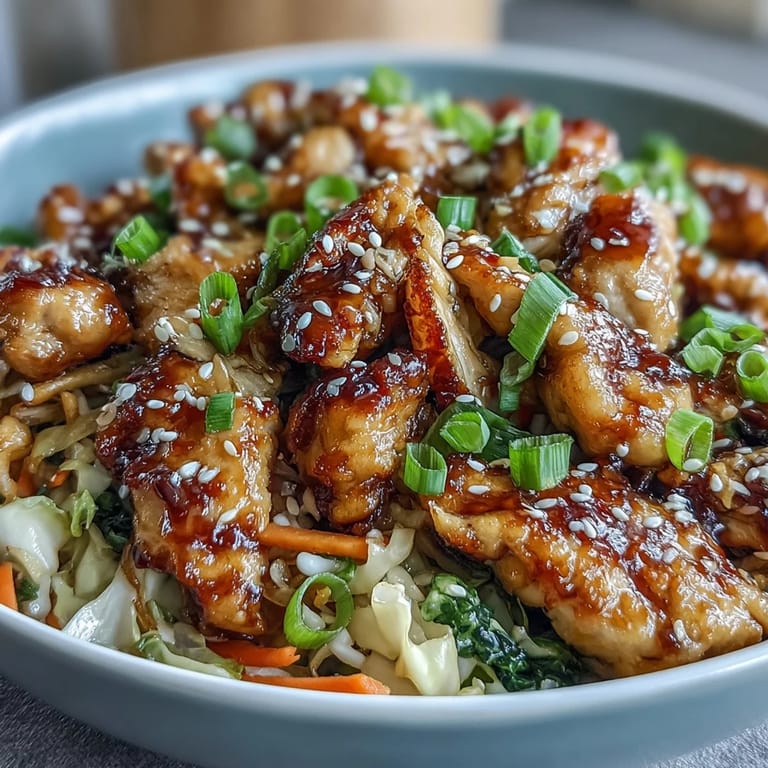
Leftovers keep in an airtight container in the fridge for up to 3 days, and they actually taste better the next day once the flavors have had time to settle. I reheat mine in a skillet over medium heat with a splash of water to loosen the sauce, though the microwave works fine if you're in a hurry. The cabbage softens a bit as it sits, but it still has enough texture to feel satisfying.
- Store the garnishes separately so the sesame seeds and green onions stay fresh and crunchy.
- If you're meal prepping, divide the bowls into individual containers so you can grab and go.
- Don't add the chili crisp or Sriracha until you're ready to eat, or it can make the leftovers too spicy.
 Save on Pinterest
 This recipe taught me that the best meals don't need a long ingredient list or hours of prep—they just need fresh flavors and a hot pan. I hope it becomes your easy answer to busy nights, too.
Recipe Questions & Answers
- → Can I use a different protein instead of chicken?
Yes, ground pork, turkey, or firm tofu work excellently as substitutes. Leftover rotissie chicken also makes this dish even quicker to prepare.
- → How do I keep the cabbage from getting too soft?
Cook the cabbage for only 3-4 minutes over medium-high heat, tossing occasionally. It should retain some crunch for the best texture.
- → Can I make this gluten-free?
Absolutely. Simply swap regular soy sauce for gluten-free tamari or coconut aminos to make this dish completely gluten-free.
- → What can I serve with these bowls?
Serve over steamed white rice, brown rice, or cauliflower rice for a low-carb option. The bowls are also delicious on their own.
- → How long do leftovers last?
Store leftovers in an airtight container in the refrigerator for up to 3 days. Reheat gently in a skillet or microwave before serving.
- → Can I add more vegetables?
Yes, bell peppers, snap peas, mushrooms, or broccoli florets are great additions. Add them with the cabbage and adjust cooking time as needed.