 Save on Pinterest
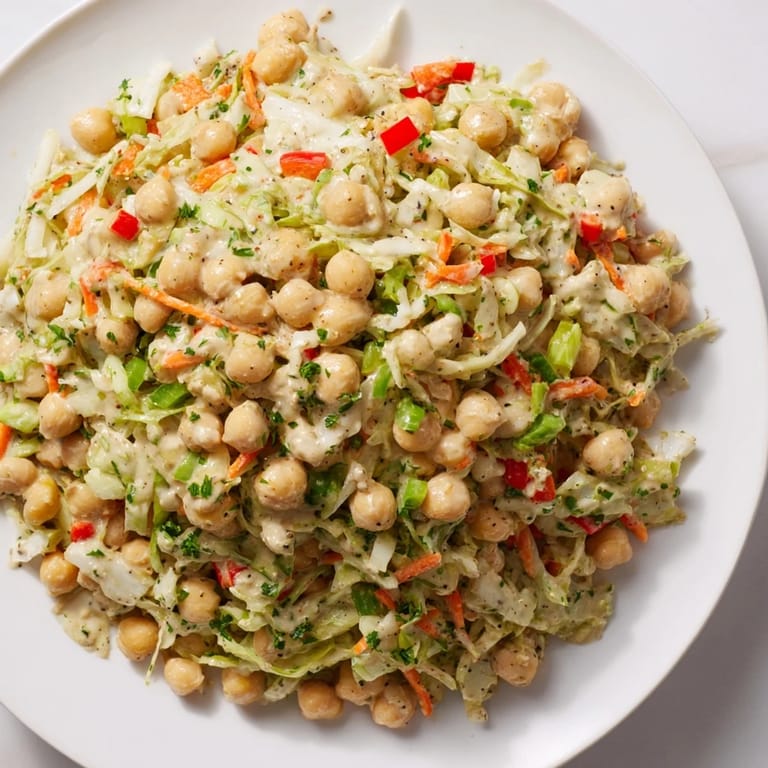
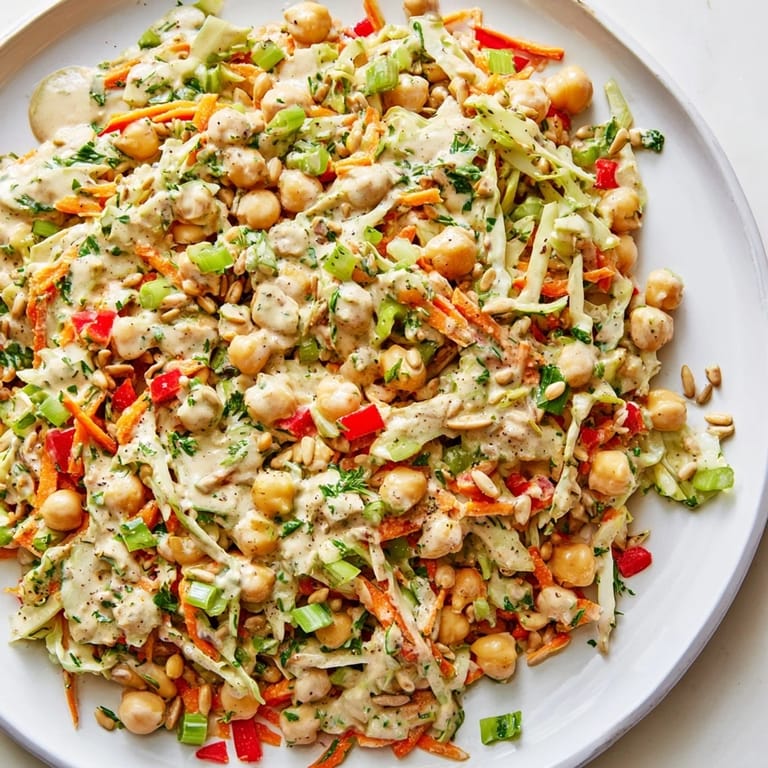
 There's something about opening a can of chickpeas that feels like unlocking a kitchen shortcut I wish I'd known about sooner. One Tuesday afternoon, when I needed something quick but felt too virtuous to settle for plain leftovers, I started tossing together whatever vegetables I had on hand with a creamy tahini dressing, and suddenly I had this bowlful of color and texture that tasted far more intentional than it had any right to. The first time I served it to friends, someone asked for the recipe, and I realized I'd stumbled onto something genuinely good—the kind of salad that sits well with you, literally and figuratively.
I made this for a weekend potluck once, worried it was too simple, too healthy-looking to stand out among all the rich casseroles and breads. By the end of the meal, my bowl was empty and three people had followed me into the kitchen asking what was in that green and orange thing. That's when I stopped apologizing for salads.
Ingredients
- Cooked chickpeas (2 cups): The real star here—they're packed with fiber and protein, and rinsing them well keeps the salad from turning gluey.
- Shredded cabbage (2 cups): Green or red, both work beautifully and give you that satisfying crunch that doesn't go soft even after a day in the fridge.
- Shredded carrots (1 cup): They add natural sweetness and stay bright and crisp, especially if you shred them fresh rather than using pre-packaged.
- Red bell pepper (1 small, diced): The little pops of sweetness and color that make each bite interesting.
- Green onions (2, thinly sliced): A whisper of onion flavor without overwhelming anything else.
- Fresh parsley (1/4 cup, chopped): It brightens the whole thing up and adds a freshness that makes the salad feel alive.
- Toasted sunflower seeds (2 tablespoons): Optional but worth hunting for—they add texture and a subtle nuttiness that makes people wonder what your secret is.
- Tahini (3 tablespoons): The creamy backbone of the dressing; good-quality tahini tastes noticeably better, so don't skimp here.
- Fresh lemon juice (2 tablespoons): Freshly squeezed, always—bottled lemon juice tastes flat by comparison and throws off the balance.
- Extra-virgin olive oil (1 tablespoon): Just enough to add richness without making the dressing heavy.
- Maple syrup or honey (1 tablespoon): A touch of sweetness that rounds out the tahini's earthiness and keeps the dressing balanced.
- Garlic (1 clove, minced): Raw garlic cuts through the creaminess and keeps everything tasting fresh and alive.
- Cold water (2–3 tablespoons): Add this slowly—you want the dressing pourable but not thin, somewhere between yogurt and cream.
- Ground cumin (1/2 teaspoon): A warm spice that feels unexpectedly Mediterranean and ties everything together.
- Salt and black pepper: Start with what's called for, then taste as you go—you might need more than you think.
Tired of Takeout? 🥡
Get 10 meals you can make faster than delivery arrives. Seriously.
One email. No spam. Unsubscribe anytime.
Instructions
- Gather your vegetables and chickpeas:
- Combine the chickpeas, cabbage, carrots, bell pepper, green onions, parsley, and sunflower seeds in a large bowl. Take a moment to really look at it—all that color and texture is half the appeal.
- Build the tahini dressing:
- In a smaller bowl, whisk together the tahini, lemon juice, olive oil, maple syrup, and minced garlic until you've got a thick paste, then gradually add the water while whisking until it's smooth and pourable. This patience matters—rushing it makes the dressing break.
- Season and balance:
- Stir in the cumin, salt, and pepper, then taste a spoonful. This is your moment to adjust—need more lemon brightness? Add another half teaspoon. Want more depth? A tiny pinch more cumin.
- Toss everything together:
- Pour the dressing over the vegetables and use your hands or two spoons to toss until every piece is lightly coated and glistening. The salad should look unified, not drowning.
- Serve or chill:
- You can eat this right away while everything's still crisp, or cover it and refrigerate for up to 30 minutes—or even overnight—while the flavors mingle and deepen. Both are genuinely good.
 Save on Pinterest
 There's a memory I keep coming back to: a friend who usually skips salads at gatherings, reaching for a second helping of this one while barely looking at the other dishes. Watching someone discover they actually like vegetables—really like them—reminds me why I bother with recipes like this in the first place.
Why This Salad Works as a Meal
Most salads feel like an opening act, a delicate prelude to the real food. This one is different because the chickpeas and tahini dressing turn it into something with actual staying power. The fiber-to-protein ratio means you won't be ravenous an hour later, and the creaminess satisfies in a way that raw vegetables alone can't manage. It's the rare salad that works equally well as a light lunch when you're busy, or as a generous side when you're cooking something else.
Building Flavor Depth
The secret to this salad feeling restaurant-quality rather than like you just threw things in a bowl comes down to understanding how each ingredient plays with the others. The cumin isn't just a random spice—it echoes backward to tahini's Middle Eastern roots and forward to the lemon's brightness. The raw garlic keeps everything from tasting muddy or one-dimensional. Even the maple syrup isn't sweetness for its own sake; it's there to balance the sesame's earthiness and keep the whole thing from feeling too austere. When these elements talk to each other properly, the salad becomes greater than the sum of its parts.
Customizing Without Losing Your Way
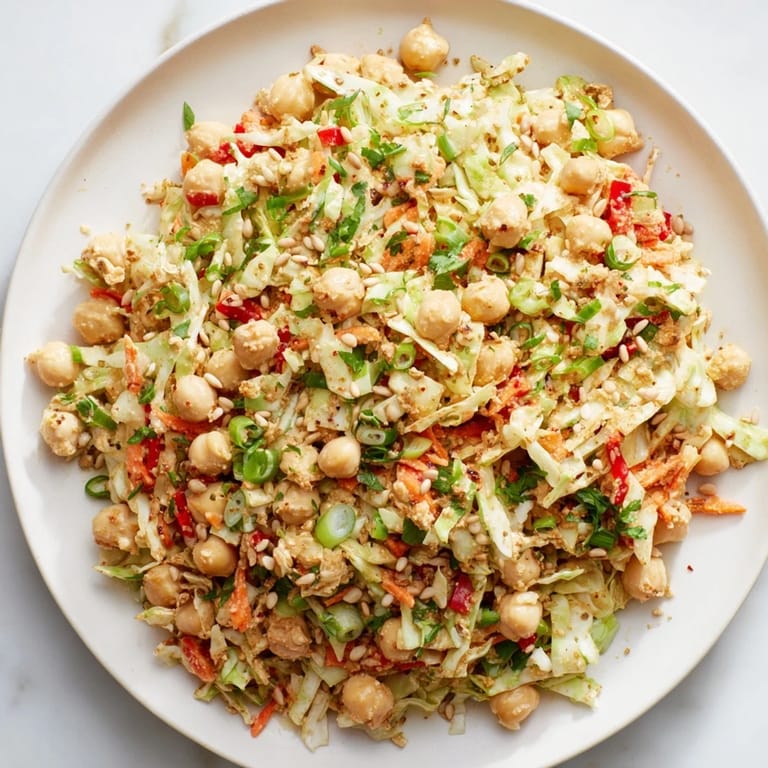
Once you understand how this salad is built, you can change it without breaking it. Swap the green cabbage for purple or napa. Trade the carrots for shredded beets if you're in that mood, though watch out—their earthiness demands an extra squeeze of lemon. Add crispy roasted chickpeas if you want more crunch, or throw in some crumbled cheese if the vegan thing isn't your religion. The framework is solid enough to handle variations.
- Radishes or celery add crunch without changing the flavor profile much.
- Pumpkin seeds can substitute for sunflower seeds, or skip them entirely for nut-free households.
- A pinch of cayenne or fresh red pepper flakes brings unexpected heat and makes people wonder what just happened to their mouths in a good way.
 Save on Pinterest
 This salad has quietly become the thing I reach for when I need to eat something that's good for me but doesn't feel like punishment. It's colorful, it's filling, and somehow it tastes like you put actual thought into it.
Recipe Questions & Answers
- → What makes this chickpea salad high in fiber?
The combination of chickpeas, cabbage, and carrots offers ample dietary fiber, which supports digestion and satiety.
- → Can I substitute tahini in the dressing?
Yes, alternatives like almond butter or sunflower seed butter can be used, but they will slightly alter the flavor and texture.
- → How can I add more crunch to the salad?
Toasted sunflower seeds are included, but you can also add thinly sliced radishes, pumpkin seeds, or chopped celery for extra texture.
- → Is this dish suitable for vegan and gluten-free diets?
Yes, the ingredients are naturally free of gluten and animal products, especially if honey is replaced with maple syrup.
- → How long should the salad chill for best flavor?
Letting the salad rest in the fridge for about 30 minutes allows the dressing to infuse the vegetables, enhancing overall taste.