 Save on Pinterest
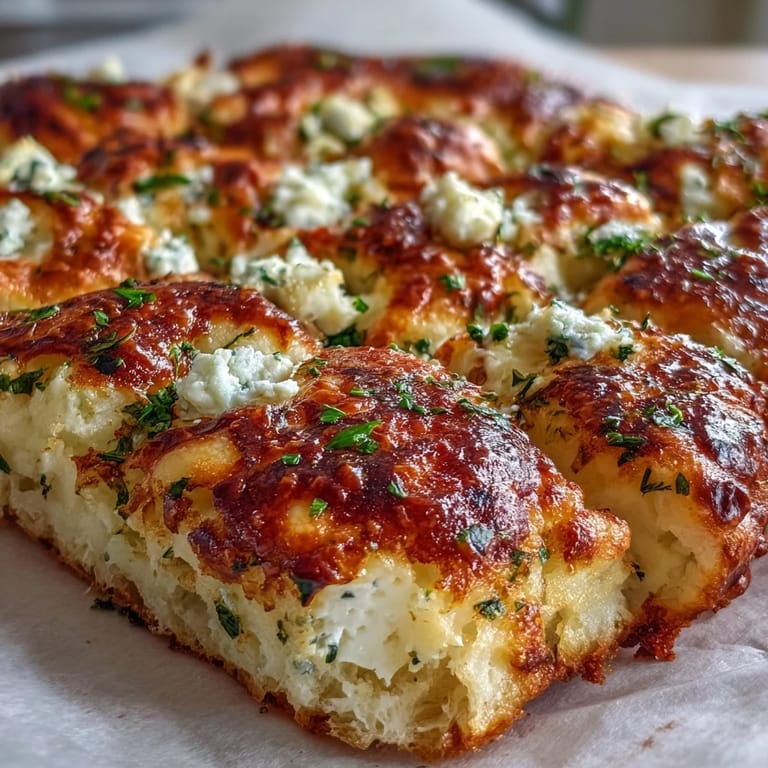
 My daughter wandered into the kitchen one Saturday morning and asked if we could make pizza, but we were out of yeast. I stared at the cottage cheese container in the fridge and remembered a flatbread trick I'd bookmarked months earlier. Within minutes, we had dough rolling under our palms, and she was giggling at how soft and sticky it felt. The first flatbread puffed up in the pan like magic, and she declared it better than any store-bought base we'd ever used.
I've made these flatbreads on camping trips, rolling them out on a cutting board balanced on a picnic table. The smell of garlic and herbs drifting through the campsite always draws curious neighbors over. One evening, we topped them with leftover grilled vegetables and melted cheese, and they disappeared faster than any fancy meal I'd planned. It became our go-to solution whenever we needed something warm, filling, and fast.
Ingredients
- All-purpose flour: The backbone of the dough, providing structure without making it heavy, and a little extra for dusting keeps everything manageable.
- Baking powder: This gives the flatbreads their signature lift and those beautiful bubbles that form as they cook.
- Fine salt: Balances the tang from the cottage cheese and wakes up all the other flavors in the dough.
- Garlic powder: Optional but wonderful, adding a savory depth that makes these flatbreads irresistible on their own.
- Full-fat cottage cheese: Drain it well or the dough will be too wet, and the richness keeps the flatbreads moist and tender.
- Large egg: Binds everything together and adds a bit of protein, making the dough easier to handle.
- Olive oil: A tablespoon in the dough and a brush in the pan creates golden, slightly crisp edges.
- Fresh chopped herbs: Parsley or chives bring brightness and color, though you can skip them if your pantry is bare.
- Water: Just a teaspoon or two if needed, because humidity and flour brands vary, and dough should feel soft, not crumbly.
Tired of Takeout? 🥡
Get 10 meals you can make faster than delivery arrives. Seriously.
One email. No spam. Unsubscribe anytime.
Instructions
- Combine the dry ingredients:
- Whisk the flour, baking powder, salt, and garlic powder in a medium bowl until no clumps remain. This ensures every bite has even seasoning and lift.
- Mix the wet ingredients:
- In a separate bowl, mash the drained cottage cheese with the egg, olive oil, and herbs using a fork. Break up the curds so the mixture becomes mostly smooth and easy to blend.
- Form the dough:
- Pour the wet mixture into the dry ingredients and stir gently with a spatula until a shaggy dough appears. If it feels dry or won't come together, add water one teaspoon at a time until it forms a soft, slightly sticky ball.
- Knead briefly:
- Turn the dough onto a lightly floured surface and fold it over itself six to eight times. You're just bringing it together, not developing gluten, so resist the urge to overwork it.
- Let it rest:
- Cover the dough with a clean towel or plastic wrap and let it sit for ten minutes. This short rest makes rolling much easier and keeps the flatbreads tender.
- Divide and shape:
- Cut the dough into four equal pieces and roll each into a smooth ball. Flatten each ball with a rolling pin or your hands into a round about a quarter inch thick, dusting with flour as needed.
- Heat the skillet:
- Warm a nonstick or cast-iron skillet over medium heat and brush it lightly with olive oil. The pan should be hot enough to sizzle a drop of water but not smoking.
- Cook the first side:
- Place one flatbread in the hot skillet and cook for two to three minutes until bubbles form and the underside turns golden brown. Watch for the edges to start setting.
- Flip and finish:
- Flip the flatbread and cook another one to two minutes until golden and cooked through. Adjust the heat if it's browning too fast or staying pale.
- Keep warm and repeat:
- Transfer the cooked flatbread to a plate and cover with a clean towel to keep it soft. Repeat with the remaining dough, adding more oil to the pan as needed.
 Save on Pinterest
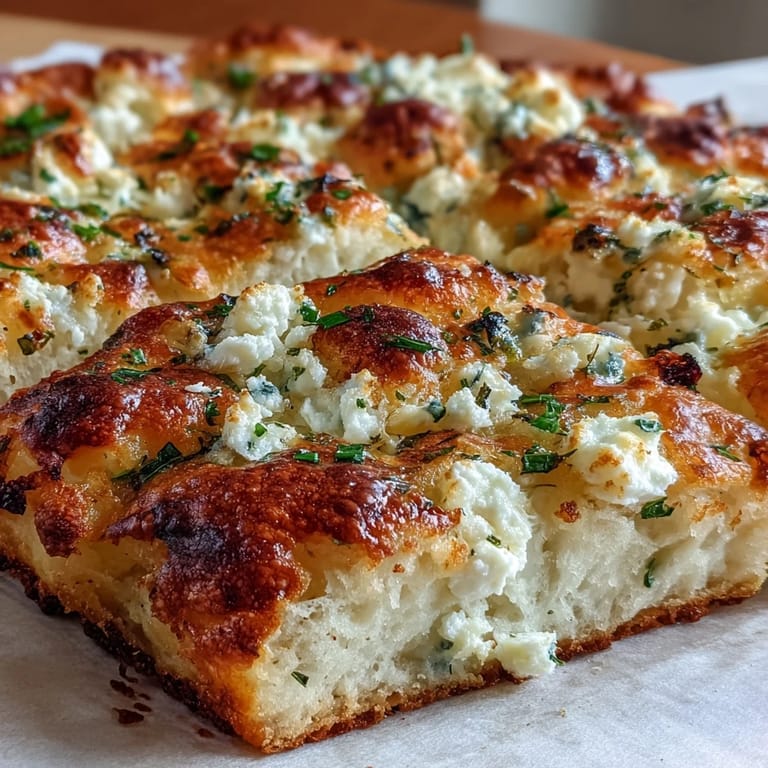
 One rainy afternoon, my friend came over feeling defeated after a long week, and I handed her a warm flatbread with hummus. She tore off a piece, closed her eyes, and said it tasted like comfort. We didn't need fancy toppings or elaborate plans, just something warm and homemade to remind us that small acts in the kitchen can shift a whole mood.
Making Them Your Own
I've tucked finely chopped spinach into the dough for color and a veggie boost, and once I stirred in minced sun-dried tomatoes that turned the flatbreads a beautiful speckled orange. My neighbor swears by adding a pinch of smoked paprika for a subtle warmth. These flatbreads are forgiving and welcome whatever herbs, spices, or mix-ins you have on hand, so treat the recipe as a starting point and let your pantry guide you.
Storage and Reheating
I keep leftovers in an airtight container in the fridge for up to three days, and they freeze beautifully for a month if you layer them with parchment. To bring them back to life, I warm them in a dry skillet for a minute on each side or microwave them wrapped in a damp paper towel for fifteen seconds. Either method restores their softness and makes them taste freshly made, which is a lifesaver on busy mornings.
Turning Them Into Pizza
The first time I used these as pizza bases, I spread them with marinara, scattered mozzarella and fresh basil on top, and baked them at 425 degrees Fahrenheit for eight minutes. The edges crisped up while the center stayed tender, and the cottage cheese in the dough added a creamy richness that store-bought crusts never have. Now it's our weeknight pizza hack whenever we want homemade flavor without the fuss.
- Brush the edges with garlic butter before baking for an extra flavor boost.
- Prebake the flatbread for three minutes before adding toppings if you like a crispier base.
- Keep toppings light so the flatbread doesn't get soggy under the weight.
 Save on Pinterest
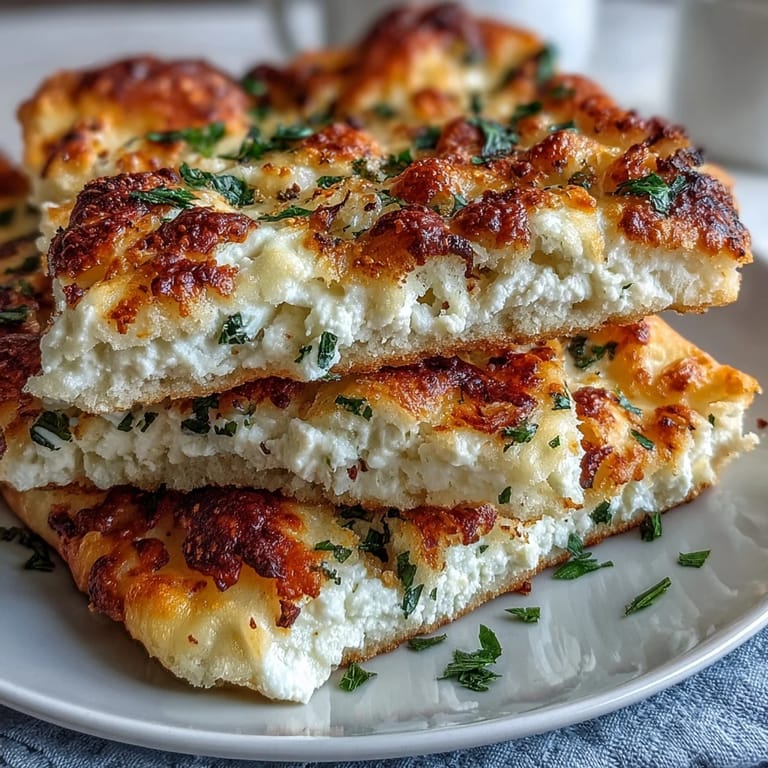
 These flatbreads have become my answer to last-minute meals, unexpected guests, and those moments when I just want something warm and homemade without the wait. I hope they bring the same ease and comfort to your kitchen.
Recipe Questions & Answers
- → Can I make these flatbreads gluten-free?
Yes, substitute the all-purpose flour with a 1:1 gluten-free flour blend and add 1 tablespoon of ground flaxseed to improve texture and binding.
- → How do I store leftover flatbreads?
Store cooled flatbreads in an airtight container in the refrigerator for up to 3 days, or freeze them for up to 1 month. Reheat in a skillet or microwave with a damp paper towel.
- → Why is my dough too sticky or too dry?
Cottage cheese moisture varies by brand. If the dough is too sticky, add a bit more flour. If it's too dry or crumbly, add water 1 teaspoon at a time until it comes together.
- → Can I add extra flavors to the dough?
Absolutely. Try mixing in finely chopped spinach, sun-dried tomatoes, minced garlic, or your favorite dried herbs for added color and flavor.
- → What's the best way to reheat these flatbreads?
Reheat in a dry skillet over medium heat for 30-60 seconds per side, or microwave for 15-20 seconds wrapped in a damp paper towel to restore softness.
- → Can I use low-fat cottage cheese instead of full-fat?
Full-fat cottage cheese provides the best texture and flavor, but low-fat can work. You may need to adjust the water content slightly as low-fat versions can be drier.