 Save on Pinterest
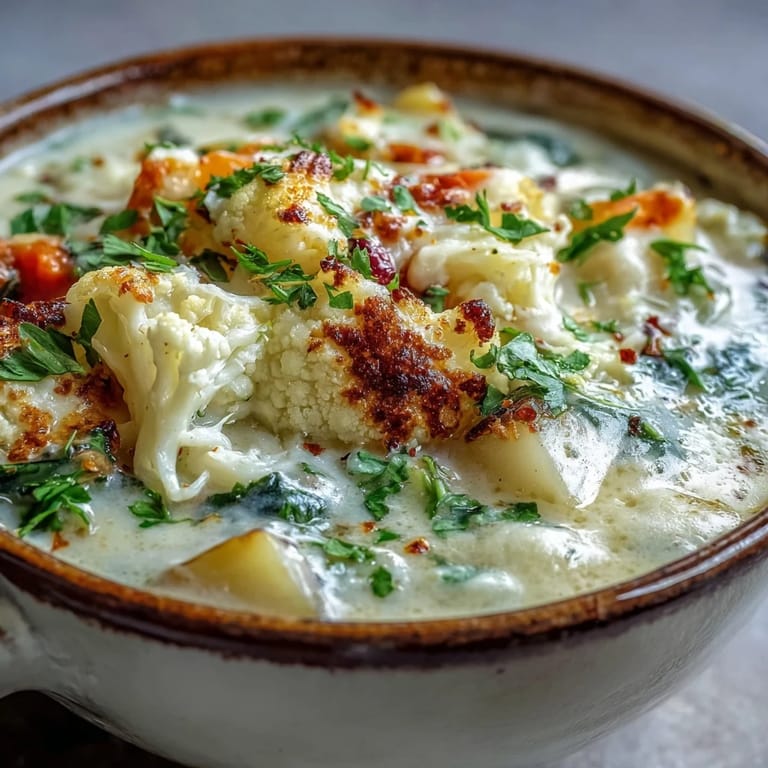
 The steam rising from a pot of chowder on a rainy Tuesday evening has a way of turning the whole kitchen into a refuge. I was halfway through chopping a head of cauliflower when I realized I had no cream in the fridge, just milk and a block of sharp cheddar that had been waiting for its moment. What started as improvisation turned into one of those recipes I now make on repeat, especially when I need something that feels like a warm blanket but still lets me feel good about what I'm eating. The cauliflower breaks down just enough to thicken the broth naturally, and the smoked paprika adds a subtle warmth that sneaks up on you.
I made this for my neighbor after she mentioned she was trying to eat more vegetables but was tired of salads. She stood in my kitchen, spoon in hand, and said it tasted like something her grandmother would have made, which I took as the highest compliment. We ended up sitting at the table for an hour, talking about how food can feel like home even when it's brand new to you. That night, I wrote down the recipe properly for the first time, because I knew I'd want to share it again.
Ingredients
- Cauliflower: The star of the show, it becomes tender and slightly sweet as it simmers, and when you blend part of it, it thickens the chowder naturally without any cream.
- Carrots: They add a hint of sweetness and a pop of color that makes the chowder feel vibrant instead of dull.
- Potatoes: Yukon Golds work beautifully here because they hold their shape but also break down just enough to add body to the broth.
- Onion and Garlic: These build the aromatic base that makes your kitchen smell like something magical is happening.
- Celery: It adds a subtle savory note and a bit of texture that keeps the chowder from feeling one-dimensional.
- Whole Milk: This gives the chowder its creamy richness without making it too heavy, though plant-based milk works just as well if you prefer.
- Sharp Cheddar Cheese: It melts into the broth and adds a tangy depth that balances the sweetness of the vegetables.
- Butter: A little fat goes a long way in building flavor, and it helps the flour blend smoothly into the base.
- Vegetable Broth: Use a low-sodium version so you can control the seasoning as you go and avoid an overly salty result.
- Thyme and Smoked Paprika: These two spices work quietly in the background, adding warmth and a hint of smokiness that makes the chowder feel more complex.
- Flour: Just a couple of tablespoons create a silky texture without turning the chowder into paste.
- Fresh Parsley: A sprinkle at the end adds brightness and a little color that makes each bowl look inviting.
Tired of Takeout? 🥡
Get 10 meals you can make faster than delivery arrives. Seriously.
One email. No spam. Unsubscribe anytime.
Instructions
- Start with the Aromatics:
- Melt the butter in a large pot over medium heat, then add the onion, garlic, celery, and carrots. Stir them around for about five minutes until they soften and the kitchen starts to smell like the beginning of something good.
- Make the Roux:
- Sprinkle the flour over the vegetables and stir constantly for a minute, letting it cook just enough to lose its raw taste. This step helps thicken the chowder without any lumps forming later.
- Add the Broth:
- Pour in the vegetable broth gradually, whisking as you go to keep everything smooth. The liquid should start to thicken slightly as it heats up.
- Simmer the Vegetables:
- Toss in the potatoes and cauliflower, bring everything to a gentle boil, then lower the heat and let it simmer for 15 to 18 minutes. You'll know they're ready when a fork slides through the potatoes with no resistance.
- Stir in the Milk and Spices:
- Pour in the milk along with the thyme, smoked paprika, salt, and pepper, then let it simmer gently for another five minutes. The chowder will start to smell warm and inviting, and the color will turn creamy and pale.
- Blend for Creaminess:
- Use an immersion blender to puree part of the chowder right in the pot, leaving some vegetables chunky for texture. If you don't have an immersion blender, scoop out a few cups, blend them in a regular blender, and stir them back in.
- Melt in the Cheese:
- Add the grated cheddar and stir until it melts completely into the broth, turning everything silky and rich. Taste it now and adjust the salt and pepper if needed.
- Serve and Garnish:
- Ladle the chowder into bowls and top with chopped parsley, extra cheese, or a pinch of red pepper flakes if you like a little heat. Serve it right away while it's still steaming.
 Save on Pinterest
 One night I brought this to a potluck, and someone asked if it was a family recipe passed down for generations. I laughed and told them it was only a few months old, born out of a half-empty fridge and a craving for something warm. But I think that's the beauty of a recipe like this, it doesn't need decades of history to feel like it belongs in your life. It just needs to show up when you need it and taste like you've been making it forever.
How to Store and Reheat
This chowder keeps well in the fridge for up to four days in an airtight container, though it will thicken as it sits because the potatoes continue to absorb liquid. When you reheat it, add a splash of broth or milk to loosen it up, and warm it gently on the stove over low heat, stirring occasionally so the cheese doesn't separate. I've frozen it before with decent results, but the texture of the potatoes can change slightly, so I usually just make a fresh batch if I want it again.
Ways to Make It Your Own
If you want to add protein, a can of drained white beans or chickpeas stirred in at the end works beautifully without changing the flavor too much. I've also used smoked cheddar instead of sharp cheddar when I wanted a deeper, smokier taste, and it was incredible. For a lighter version, you can skip the cheese entirely and let the blended cauliflower do all the thickening, which still gives you a creamy bowl that feels satisfying. Sometimes I add a handful of frozen corn in the last few minutes of cooking, which adds a little sweetness and makes the chowder feel even heartier.
Serving Suggestions
This chowder is perfect with a thick slice of crusty sourdough or a warm biscuit on the side, something to dip into the creamy broth and soak up every last bit. I've served it alongside a simple green salad with lemon vinaigrette when I wanted to balance the richness, and the brightness of the greens was a nice contrast. If you're feeling fancy, a glass of chilled Sauvignon Blanc pairs wonderfully, cutting through the creaminess and highlighting the subtle sweetness of the vegetables.
- Top with crispy fried onions or croutons for a crunchy contrast.
- Serve in bread bowls for a fun presentation that doubles as an edible dish.
- Pair with a tangy pickle or fermented vegetables to cut through the richness.
 Save on Pinterest
 This chowder has become my go-to when I want something that feels like a hug without spending hours in the kitchen. I hope it becomes that for you too, a recipe you reach for on the days when you need comfort and flavor in equal measure.
Recipe Questions & Answers
- → Can I make this chowder vegan?
Yes, substitute plant-based milk for dairy milk, use vegan cheese or omit it entirely, and replace butter with olive oil. The chowder will still be creamy and flavorful.
- → How do I achieve the best texture?
Use an immersion blender to partially blend the soup, leaving some vegetable chunks intact. This creates a creamy base while maintaining satisfying texture throughout.
- → Can I use frozen cauliflower?
Yes, frozen cauliflower works well. Add it directly to the pot without thawing, though cooking time may vary slightly. Ensure florets are bite-sized pieces.
- → What type of cheese works best?
Sharp cheddar provides the best flavor, but Gruyère, white cheddar, or Monterey Jack also work beautifully. Grate cheese freshly for optimal melting and creaminess.
- → How should I store leftovers?
Store in an airtight container in the refrigerator for up to 4 days. Reheat gently on the stovetop, adding a splash of milk or broth if needed to restore consistency.
- → Can I add protein to this chowder?
Absolutely. Cooked white beans, chickpeas, or diced tofu are excellent vegetarian protein additions. Stir them in during the final simmer for a heartier meal.