 Save on Pinterest
 There's a particular evening that taught me risotto wasn't about rushing. I'd invited friends over on a whim, and in a moment of optimism that outpaced my skill, I decided to make something I'd never attempted. The kitchen filled with the smell of butter and garlic hitting hot oil, and suddenly I understood why Italian home cooks treat this dish with such reverence—it demands your presence, your attention, your willingness to stand at the stove and tend to something with care.
What I remember most vividly is when one of my guests—a woman who'd grown up in Milan—tasted it and went quiet. Not the polite quiet of being kind, but the genuine quiet of recognition. She asked for the recipe, and I realized in that moment that cooking isn't about perfection; it's about offering something made with intention and presence. She came back a week later with a bottle of wine just to talk about risotto.
Ingredients
- Arborio rice (1 ½ cups): This short-grain variety is essential—its high starch content releases gradually as you stir, creating that signature creamy texture that regular rice simply cannot deliver.
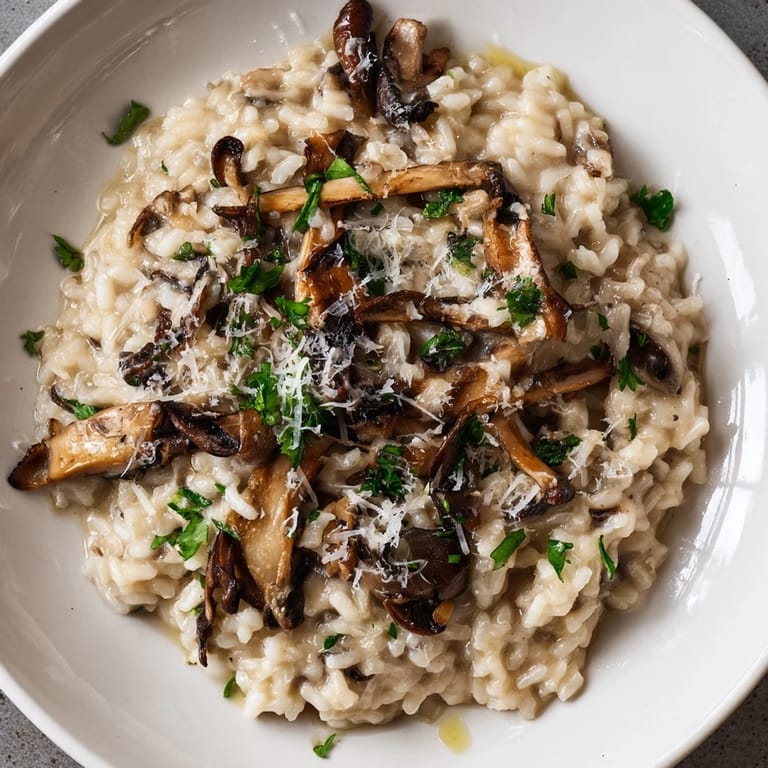
- Mixed wild mushrooms (400 g): Cremini, shiitake, and porcini create depth and earthiness that transforms this from simple to memorable; don't skip the variety.
- Vegetable broth (5 cups, kept warm): Keeping it warm prevents shocking the rice and allows it to absorb more evenly, which I learned the hard way when using cold broth once.
- Yellow onion (1 medium): Finely chopped so it melts into the background, creating a sweet, subtle foundation without any sharp bite.
- Garlic (2 cloves, minced): Adds aromatic depth but only if cooked briefly to avoid bitterness.
- Unsalted butter (4 tbsp total): Use quality butter—you'll taste the difference in the finish when you stir in the cold cubes.
- Olive oil (2 tbsp): A good extra-virgin keeps the mushrooms from sticking and adds flavor without burning easily.
- Dry white wine (½ cup): The acidity cuts through the richness and adds a subtle brightness that makes the whole dish taste more alive.
- Parmesan cheese (¾ cup, freshly grated): Never pre-grated—the anti-caking agents prevent proper melting; freshly grate it just before cooking.
- Fresh parsley (2 tbsp chopped): A small amount stirred in and a final garnish brings freshness to all that richness.
- Salt and black pepper: Season gradually as you cook; the broth is often salty already.
Tired of Takeout? 🥡
Get 10 meals you can make faster than delivery arrives. Seriously.
One email. No spam. Unsubscribe anytime.
Instructions
- Prepare your mise en place:
- Chop everything before you begin—onion, garlic, mushrooms, parsley—and keep the broth warm in a separate pot. This is the one non-negotiable step that keeps you from scrambling later.
- Build the mushroom foundation:
- Heat the olive oil and 2 tablespoons butter over medium heat, then sauté the onion until it turns translucent and softens, about 3–4 minutes. Add the garlic and cook for just 1 minute—you want fragrance, not browning—then add the mushrooms and let them cook undisturbed for several minutes before stirring.
- Let the mushrooms release their magic:
- Continue sautéing the mushrooms for 5–7 minutes total until they're golden and any liquid they release has evaporated. This concentration of flavor is what separates good risotto from unforgettable risotto.
- Toast the rice:
- Add the Arborio rice and stir constantly for 1–2 minutes, coating each grain in the buttery mushroom mixture. You'll hear a subtle clicking sound as the grains move in the pan—that's how you know they're getting toasted.
- Welcome the wine:
- Pour in the white wine and stir frequently until it's nearly absorbed, which takes about 1–2 minutes. The wine will smell bright and inviting as it reduces.
- Begin the patient rhythm of adding broth:
- Add the warm broth one ladle at a time, stirring frequently after each addition. Wait until most of the liquid is absorbed before adding the next ladle—this gradual process is what creates creaminess, not the cream itself.
- Tend to the risotto:
- Continue this process for 18–20 minutes, tasting a grain occasionally to check tenderness. The rice should be creamy and soft but still hold its shape slightly when you bite it—that's al dente.
- Finish with mantecatura:
- Remove from heat and immediately stir in the cold butter cubes and freshly grated Parmesan cheese. This technique—called mantecatura—creates an silky, luxurious texture that defines perfect risotto.
- Rest and serve:
- Let the risotto sit for 2 minutes, which allows the starches to set slightly. Serve immediately in warm bowls, garnishing with the remaining parsley and a final shaving of Parmesan.
 Save on Pinterest
 I think about the first time I made this for someone who'd said they didn't like risotto—they'd had the overcooked, gluey kind from a restaurant kitchen that didn't care. Watching that person taste proper risotto, understanding that it could be light and elegant rather than heavy, felt like introducing them to a dish they'd never actually tried before. That's when cooking stopped being about technique and became about transformation.
The Mushroom Question
Mushrooms are the soul of this dish, and they deserve consideration. I started with cremini and shiitake, but once I added rehydrated porcini mushrooms and strained their soaking liquid into my broth, everything shifted into a deeper register of flavor. The earthy, almost umami-rich quality that porcini brings elevates risotto from a creamy rice dish to something that tastes intentional and composed. If you find dried porcini too expensive for regular cooking, save them for special occasions and use fresh cremini and shiitake for everyday versions.
Wine, Broth, and the Details That Matter
The white wine isn't optional—it's the voice that keeps risotto from becoming too heavy. A dry Pinot Grigio or Sauvignon Blanc adds acidity and subtle complexity that rounds out the richness of butter and cheese. Similarly, if you're vegetarian, vegetable broth is perfect, but I've found that a quality broth makes an enormous difference; homemade is superior if you have it, but a good store-bought broth still beats a mediocre homemade one. For non-vegetarians, chicken broth adds a deeper savory note that some prefer, though the dish loses none of its elegance either way.
The Art of Knowing When It's Done
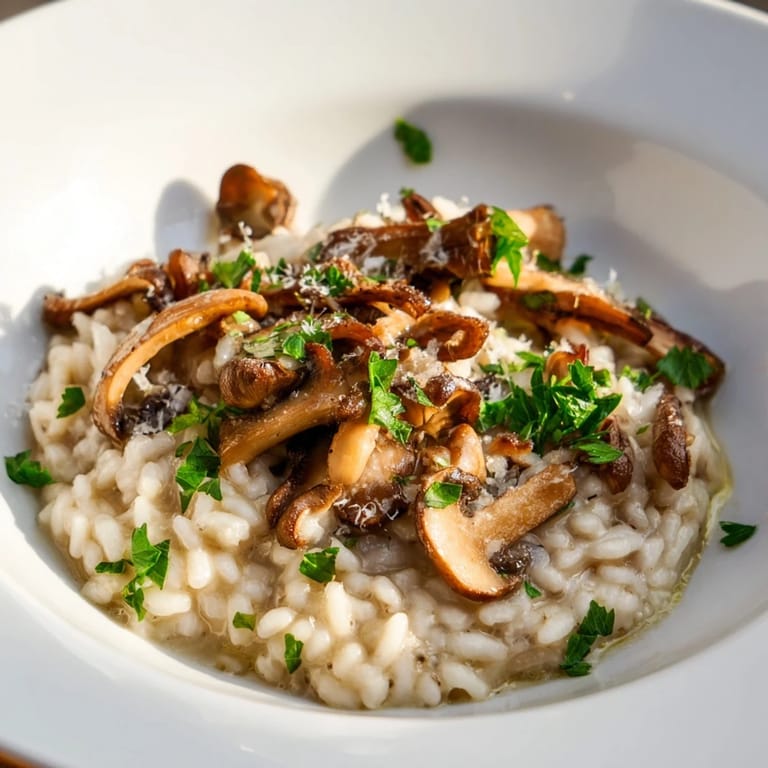
Risotto feels done when you push a spoon through it and it flows slowly, like lava, rather than sitting in a stiff mound. The rice should taste creamy but with a slight firmness in the center of each grain—that texture is al dente, and it's the difference between risotto and rice pudding. I've learned to taste frequently in the final few minutes rather than following time alone, because every stove is different and every batch of rice has its own personality.
- If risotto seems too thick when finished, stir in a ladle of warm broth or warm water to loosen it slightly.
- Never refrigerate risotto and reheat it—the texture becomes grainy and lost; instead, make it fresh each time.
- Save any leftover risotto to make arancini (fried risotto balls) the next day, transforming it into something entirely new.
 Save on Pinterest
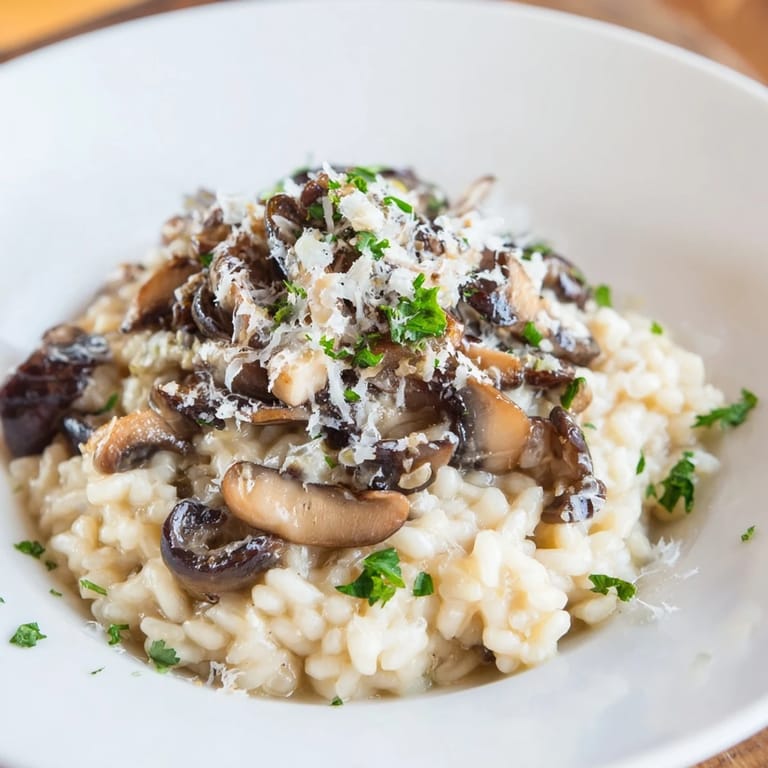
 This risotto sits at that sweet spot between effort and reward—it asks you to stay present at the stove, but in exchange it gives you something that tastes like it took far longer than it did. That's the best kind of cooking, I think.
Recipe Questions & Answers
- → What type of rice is best for this dish?
Arborio rice is preferred for its ability to absorb liquid and release starch, creating a creamy texture.
- → Can I use other mushrooms besides wild varieties?
Yes, common mushrooms like cremini or button mushrooms work well, though wild mushrooms add deeper earthiness.
- → Why is the broth added slowly during cooking?
Gradual broth addition allows the rice to absorb liquid evenly, releasing starch for the signature creamy consistency.
- → What role does white wine play in this preparation?
White wine enhances flavor complexity and balances the richness of the dish with subtle acidity.
- → How can I achieve the best texture for the risotto?
Use medium heat, stir frequently, and add warm broth in increments until the rice is tender but firm to the bite (al dente).