 Save on Pinterest
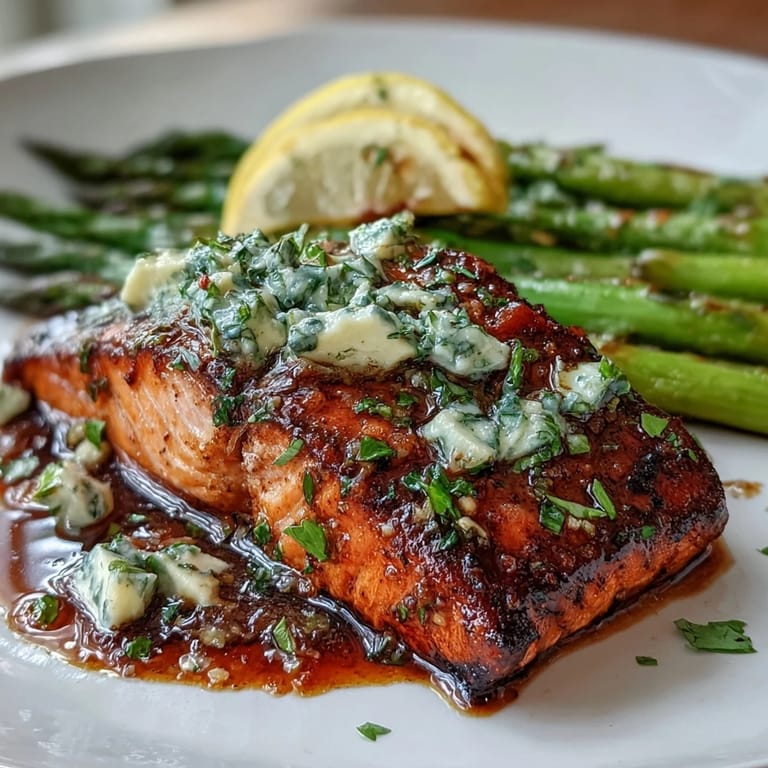
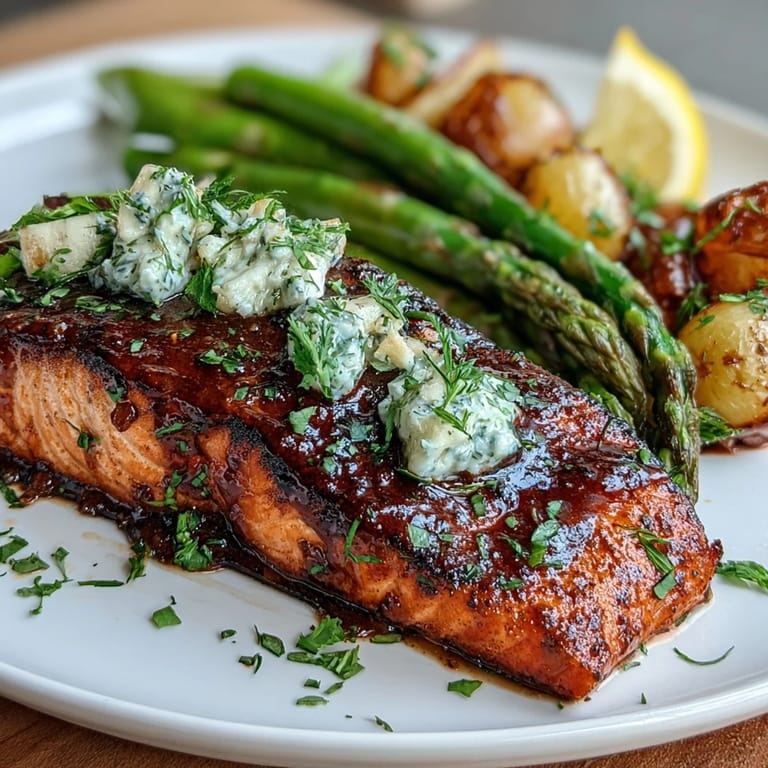
 My neighbor stopped by on a Tuesday evening with a bag of farmer's market asparagus, and I suddenly felt the pressure to make something impressive without much time. That's when garlic butter salmon became my secret weapon—a dish that looks like you've been cooking for hours but honestly takes about 35 minutes from start to table. The magic happens when that golden, fragrant butter hits the hot pan and mingles with roasted asparagus, creating something that feels both elegant and completely effortless.
I'll never forget the first time I made this for my partner's parents—I was genuinely nervous because they're the type who notice everything. But when that aroma hit as I pulled the baking sheet from the oven, I saw their faces light up, and suddenly I understood that sometimes the simplest preparations create the most memorable moments. The salmon was perfectly flaked, the asparagus had just the right snap, and nobody asked for ketchup.
Ingredients
- Salmon fillets (4, about 6 oz each): Look for fillets that feel firm to the touch and smell like the ocean, not fishy—that's the key to knowing they're fresh.
- Fresh asparagus (1 lb): Bend each spear gently until it naturally snaps; that's where the woody part ends and the tender part begins, no knife needed.
- Unsalted butter (4 tbsp melted): Using unsalted lets you control the salt and makes that garlic flavor sing without being drowned out.
- Garlic (3 cloves, minced): Mince it fine just before cooking so the oils stay fresh and potent throughout roasting.
- Fresh lemon juice (1 tbsp): Squeeze it yourself if you can—bottled juice tastes tired by comparison.
- Dijon mustard (1 tsp): This tiny amount doesn't taste like mustard; instead, it adds depth and helps emulsify the sauce into something silky.
- Salt and black pepper (1/2 tsp and 1/4 tsp): Taste as you go because different salts have different intensities, and you're the boss of your own seasoning.
- Red pepper flakes (1/4 tsp, optional): A whisper of heat brightens everything without announcing itself loudly.
Tired of Takeout? 🥡
Get 10 meals you can make faster than delivery arrives. Seriously.
One email. No spam. Unsubscribe anytime.
Instructions
- Get your oven ready:
- Preheat to 400°F and line your baking sheet with parchment or foil—this is your insurance policy against sticking and makes cleanup almost laughable.
- Arrange everything on the sheet:
- Place salmon in the center, tuck asparagus around it in a single layer, and slip lemon slices in between like you're setting a table. This arrangement matters because it ensures everything roasts at the same pace.
- Make the magic sauce:
- Whisk melted butter with minced garlic, lemon juice, mustard, and seasonings in a small bowl until it looks cohesive and golden. The aroma alone will tell you this is going to be good.
- Coat everything generously:
- Drizzle that sauce evenly over the salmon and asparagus, making sure the fish gets a good coating on top and the vegetables glisten all over.
- Roast with confidence:
- Slide it into the oven for 15 to 18 minutes—the salmon should flake easily when you press it gently with a fork, and the asparagus should bend slightly but still have a bit of character. If you're unsure, give it another minute or two rather than overdoing it.
- Finish and serve:
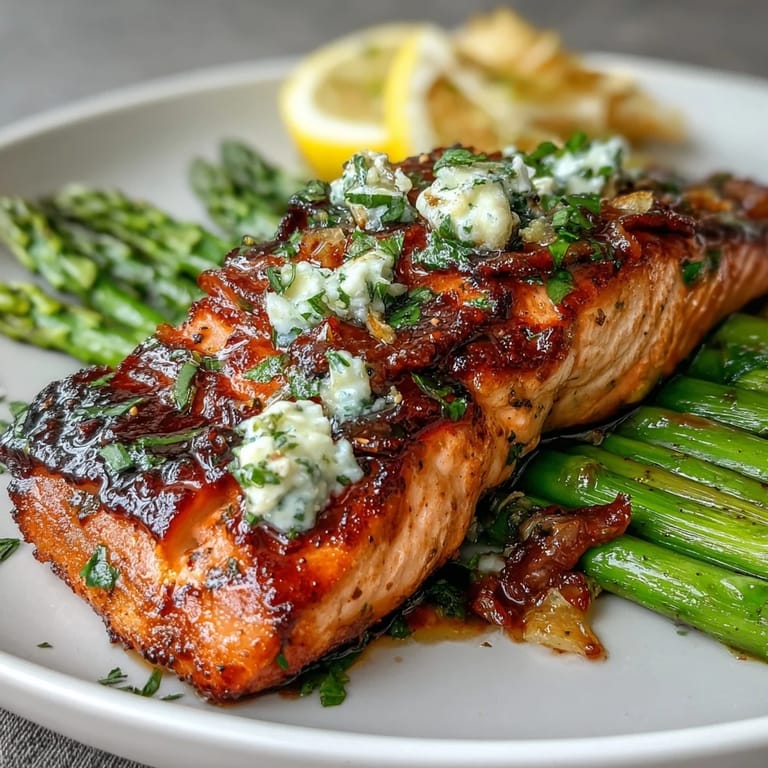
- Pull everything out while it's still hot, scatter parsley over the top if you're feeling fancy, and serve immediately with lemon wedges on the side. This is one of those dishes that doesn't wait around—eat it right away while the butter is still warm and silky.
 Save on Pinterest
 There's a moment when you're eating this on a spring evening, with the kitchen window open and a slight breeze carrying in the smell of new growth, that you realize fancy meals don't require fancy techniques. This dish proved to me that sometimes elegance is just knowing when to stop fussing and let good ingredients speak for themselves.
The Lemon Factor
Fresh lemon juice changes everything in this recipe, and I mean everything. It brightens the salmon, cuts through the butter's richness, and somehow makes the asparagus taste more like itself. I once tried using bottled lemon juice on a lazy night, and the whole dish felt flat and tired—that taught me there are some shortcuts that aren't worth taking.
Choosing Your Salmon
Wild-caught and farm-raised salmon both work beautifully here, though they cook slightly differently—wild salmon is leaner and can dry out a touch faster, while farm-raised tends to be more forgiving. The real trick is looking for firm flesh and a smell that's clean and briny, not strong or off-putting. I usually ask the fishmonger when they got their shipment in, and they always appreciate being asked because it shows you care about quality.
Variations That Work
While this recipe is perfect as written, I've played with it enough to know what swaps actually improve things and what changes just make it different for the sake of being different. Green beans or broccolini genuinely work if asparagus isn't in season, and a light sprinkle of Parmesan over the vegetables just before serving adds a nutty, savory note that feels sophisticated. Here are a few more twists that feel natural without overcomplicating things:
- Add a small pinch of smoked paprika to the butter sauce for subtle depth and complexity.
- Try swapping half the butter for good quality olive oil to lighten things slightly while keeping the richness.
- Scatter capers or a touch of dill over the finished dish for brightness and herbal notes.
 Save on Pinterest
 This recipe has become my go-to when I need to feel accomplished without actually working that hard, which might be the best compliment I can give any dish. Make it once and it becomes part of your rotation, make it twice and you'll stop consulting the recipe entirely.
Recipe Questions & Answers
- → How long should I roast the salmon and asparagus?
Roast at 400°F (200°C) for 15–18 minutes until the salmon flakes easily and asparagus is tender.
- → Can I use frozen salmon fillets?
Thaw frozen salmon completely before cooking to ensure even roasting and the best texture.
- → What can I substitute for asparagus?
Green beans or broccolini make great alternatives and roast well alongside salmon.
- → Is it necessary to use Dijon mustard in the sauce?
Dijon mustard adds a subtle tang and depth, but it can be omitted or replaced with a mild mustard variant.
- → How do I prevent the garlic butter sauce from burning?
Ensure garlic is minced finely and mixed well with melted butter to coat ingredients evenly, roasting at moderate temperature helps prevent burning.