 Save on Pinterest
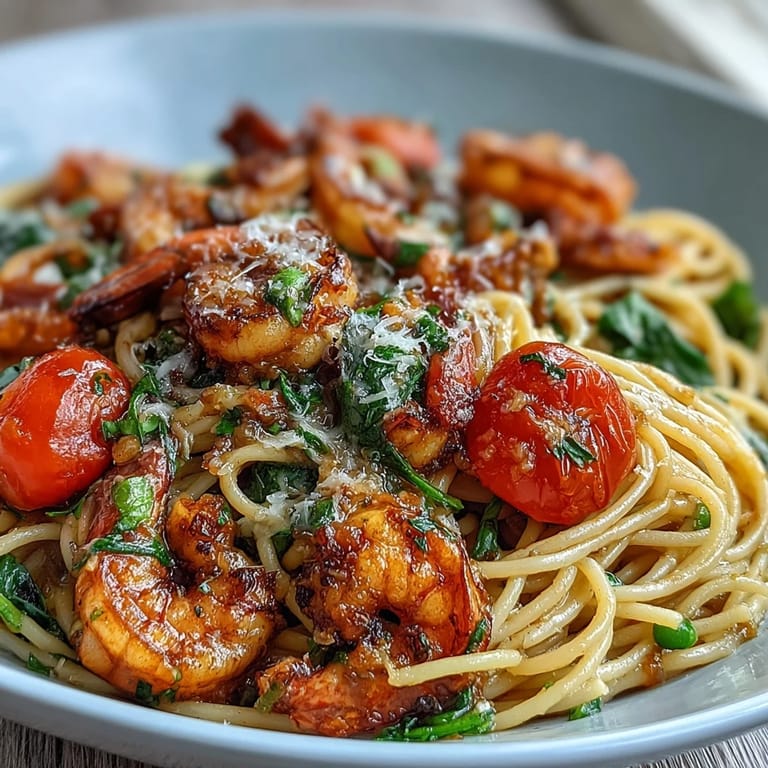
 My neighbor knocked on my door one spring evening with a bottle of white wine and the confession that she'd just discovered shrimp could cook in the same pan as pasta without turning into rubber. We stood in my kitchen laughing as she demonstrated, tossing garlic into hot oil while telling me about a cooking class she'd taken in coastal Portugal. Twenty minutes later, we were twirling silky angel hair around our forks, the broth pooling with lemon and the shrimp blushing pink. That dish became our shorthand for turning a weeknight into something that tastes like vacation.
I made this for my sister after she'd had a terrible day at work, and watching her face change as she tasted that first bite—the brightness of the lemon cutting through the richness of the oil—made me realize how food can shift someone's whole mood. She asked for the recipe before she'd finished eating, which for her is the highest compliment.
Ingredients
- Large shrimp, peeled and deveined (1 lb): Look for shrimp that still smell like the ocean, not ammonia, and cook them the same day you buy them for the sweetest flavor.
- Angel hair pasta (12 oz): This delicate pasta absorbs the broth beautifully without getting mushy—don't be tempted to use a thicker shape or you'll lose that silky texture.
- Cherry tomatoes (1 cup), halved: Halving them releases their juices into the sauce while keeping them intact, so they burst on your tongue instead of dissolving.
- Snap peas (1 cup), trimmed: These add a crisp snap that contrasts perfectly with the tender pasta and stay vibrant green when cooked just right.
- Baby spinach (1 cup): Stir it in at the very end so it wilts from residual heat and keeps its bright color and fresh taste.
- Zucchini (1 small), sliced: Thin slices mean it softens quickly without becoming watery—aim for quarter-inch thickness if you're measuring.
- Fresh parsley (1/4 cup), chopped: Add this as a garnish after cooking to keep its peppery freshness alive.
- Green onions (2), thinly sliced: The white and light green parts cook with the pasta, while the darker greens go on top for a color pop.
- Garlic (4 cloves), minced: Mince it fine so it distributes evenly and doesn't cook into bitter chips.
- Extra virgin olive oil (1/4 cup): This is your fat base, so use something you'd actually taste—it makes a real difference in the final flavor.
- Lemon zest and juice (1 lemon): The zest gives you concentrated citrus flavor while the juice adds acid that brightens everything.
- Red pepper flakes (1/2 tsp, optional): Use this sparingly unless you want heat, because it builds as the dish sits.
- Dry white wine (1/2 cup) or vegetable broth: If you skip the wine, your sauce will taste cleaner but less complex, so don't omit the broth completely.
- Low-sodium broth (3 cups): The pasta will absorb this, so taste before salting—low-sodium lets the other flavors shine without guesswork.
- Salt and freshly ground black pepper: Season conservatively while cooking and taste as you go.
- Grated Parmesan cheese (1/4 cup, optional) and lemon wedges: These finish the dish with richness and brightness.
Tired of Takeout? 🥡
Get 10 meals you can make faster than delivery arrives. Seriously.
One email. No spam. Unsubscribe anytime.
Instructions
- Bloom the garlic:
- Heat olive oil in a large deep skillet over medium heat until it shimmers, then add minced garlic and red pepper flakes. Let them sizzle for about one minute—you'll know it's right when your whole kitchen smells like garlic bread.
- Build your vegetable base:
- Toss in the cherry tomatoes, snap peas, and zucchini slices, stirring them around so they start to soften. This takes two to three minutes and they should still have some resistance when you poke them.
- Deglaze and build broth:
- Pour in the white wine and let it bubble gently for a couple minutes—this mellows the alcohol and adds depth. Then pour in all your broth plus the lemon zest and juice, and bring everything to a gentle boil.
- Add the pasta and cover:
- Break the angel hair into thirds so it fits in the pan, stir it into the boiling broth, then cover and cook for three to four minutes. Stir occasionally so nothing sticks, and the pasta should be almost tender but not quite done.
- Nestle in the shrimp:
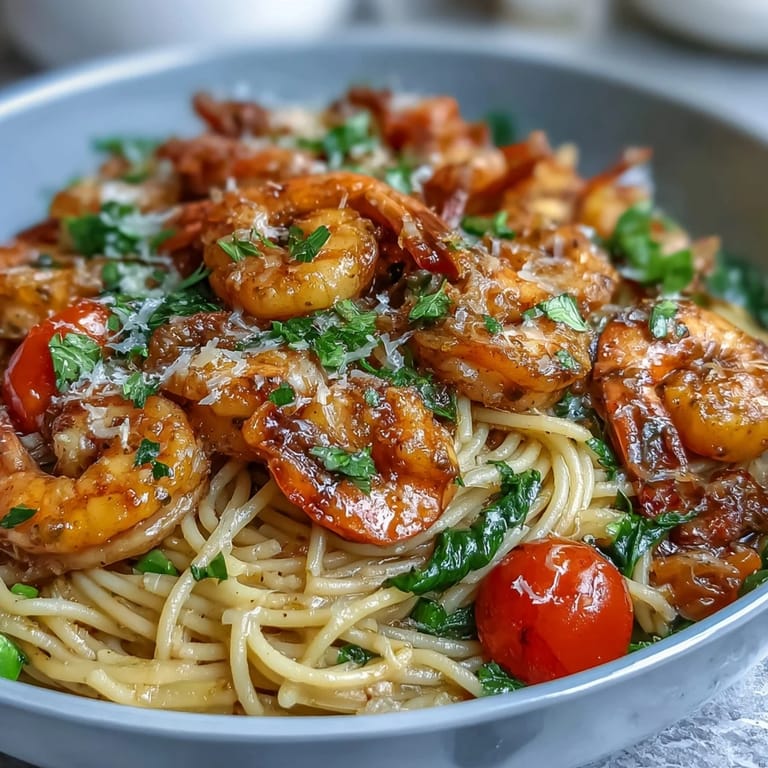
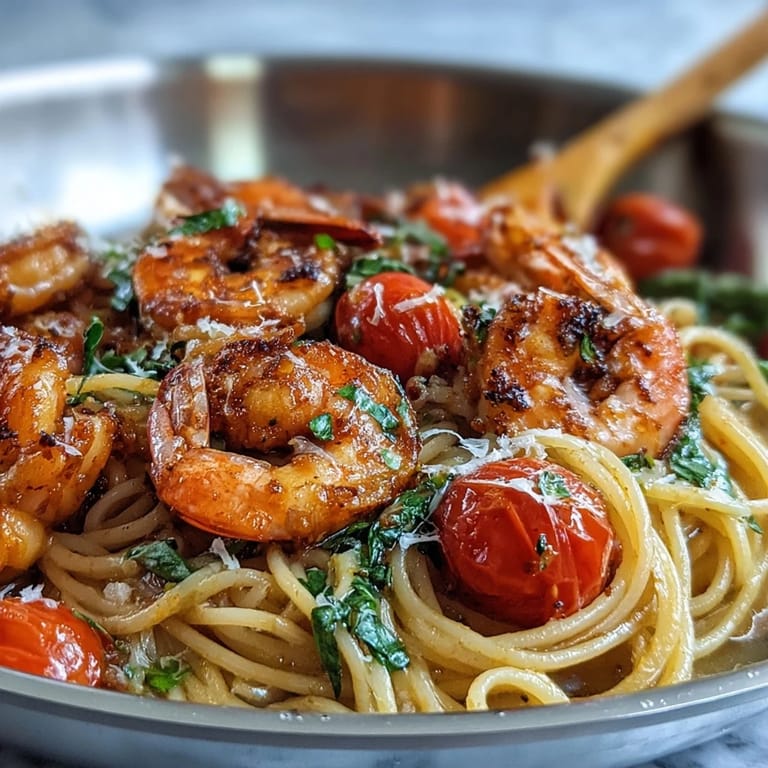
- Spread the shrimp across the top in a single layer, cover again, and cook for two to three minutes more. Watch for them to turn from gray to pink and opaque—that's your signal they're done.
- Finish with fresh ingredients:
- Remove from heat and fold in the baby spinach, green onions, and parsley using a gentle hand so everything stays intact. Taste and adjust salt and pepper, then serve right away while everything's still steaming.
 Save on Pinterest
 My daughter, who normally pushes vegetables around her plate like she's negotiating with them, ate three bowls of this without complaining—the vegetables were so tender and soaked in that broth that she forgot they were vegetables at all. It became our secret way to sneak nutrition past her picky palate.
Timing Is Everything
The beauty of this dish is that everything happens on the same timeline, which means you can actually relax while it cooks instead of juggling multiple pans and timers. Once the pasta goes in, you're mostly just stirring and waiting—thirty minutes from start to finish, and most of that is passive cooking while you pour a drink or set the table. I've learned that when you're cooking for other people, that margin of calm matters more than you'd think.
Variations Worth Trying
This recipe is forgiving enough that you can swap vegetables based on what's in your crisper drawer—asparagus is stunning in spring, cherry tomatoes can give way to sun-dried if you're cooking in winter, and zucchini can turn into mushrooms without missing a beat. The structure stays the same; you're just following the seasons and your gut instinct. I've made it a dozen different ways depending on the day, and it's never disappointed.
Pairing and Serving Thoughts
This dish begs for a crisp white wine—Sauvignon Blanc or Pinot Grigio cuts through the richness of the oil and shrimp while harmonizing with the lemon, so you end up with that vacation feeling on repeat. Serve it directly from the pan if you're cooking for people you love, with extra lemon wedges scattered around the table so everyone can brighten their own bite.
- If you have crusty bread, use it to soak up every drop of that broth because it's too good to waste.
- Make this when you have good shrimp and fresh lemons, because those two ingredients carry the whole dish.
- Leftovers are fine cold the next day, but really they're best eaten hot and fresh from the stove.
 Save on Pinterest
 There's something about a one-pot meal that makes everyone feel cared for, and this one delivers that feeling while tasting like you spent all day in the kitchen. Make it for someone you want to impress, or make it for yourself on a Tuesday and remember that you deserve dinners this good.
Recipe Questions & Answers
- → What type of shrimp works best for this dish?
Large peeled and deveined shrimp are ideal, as they cook quickly and blend well with the delicate pasta.
- → Can I use a different pasta than angel hair?
Yes, substitute with gluten-free thin pasta or similar delicate strands for best results.
- → How can I make this dish dairy-free?
Simply skip the Parmesan garnish; the dish remains flavorful and fresh without it.
- → Is white wine necessary in the sauce?
White wine adds brightness but can be replaced with vegetable broth for a non-alcoholic option.
- → What vegetables can I swap in this dish?
Feel free to use asparagus instead of snap peas or any crisp spring vegetables available.
- → How do I avoid overcooking the shrimp and pasta?
Stir occasionally and follow the timing closely; shrimp should be pink and opaque, and pasta al dente.