 Save on Pinterest
 There's something about the smell of cumin hitting hot oil that makes me pause whatever I'm doing. Years ago, a friend brought a pot of lentil soup to my place on a gray afternoon, and I watched how people gravitated toward it without being asked—bowls refilling, conversations lingering. That soup tasted like it had been made with intention, not speed, and I realized then that the best meals often come from the simplest ingredients treated with care.
I made this on a Tuesday when I had three people coming over and exactly zero energy for complicated cooking. The soup simmered while I set the table, and by the time everyone arrived, the house felt warm and welcoming without me having done much of anything heroic. One friend asked for the recipe right there at the table, and I realized the magic wasn't in rare ingredients or technique—it was in the honest simplicity of letting good things cook together.
Ingredients
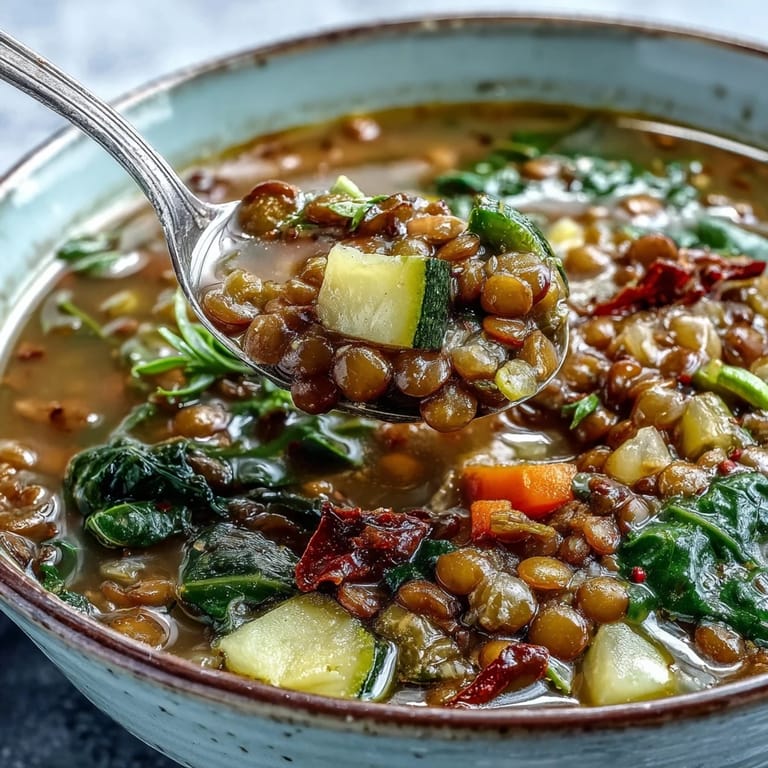
- Brown or green lentils (1 cup): These hold their shape better than red lentils, giving your soup texture and substance that feels nourishing rather than mushy.
- Onion, carrots, and celery (the holy trinity): This combination is the backbone of countless soups for a reason—together they create a subtle sweetness that makes everything taste rounder.
- Garlic (2 cloves): Wait until the oil is hot and the vegetables are softened, then add it—rushing garlic makes it bitter instead of brilliant.
- Zucchini (1 medium): This goes in later so it doesn't fall apart; it adds lightness that prevents the soup from feeling too heavy.
- Tomatoes (fresh or canned): Canned works beautifully here if fresh aren't in season, and they add a gentle acidity that brightens everything.
- Spinach or kale (2 cups): Save this for the very end so it stays vibrant and doesn't turn into an unrecognizable mush.
- Vegetable broth (6 cups): This is where salt hides, so taste as you go rather than seasoning blindly at the end.
- Olive oil (2 tbsp): Good quality oil matters here since it's doing the work of building flavor in those first few minutes.
- Cumin and smoked paprika: These two spices are what make this soup taste like itself—they're earthy and warm without being aggressive.
- Thyme and bay leaf: These are quiet contributors that you don't notice missing until you've left them out once.
Tired of Takeout? 🥡
Get 10 meals you can make faster than delivery arrives. Seriously.
One email. No spam. Unsubscribe anytime.
Instructions
- Start with heat and oil:
- Pour olive oil into your pot and let it get hot enough that it shimmers when you tilt the pan. This is where the flavor journey begins, so don't skip this step or rush through it.
- Build your flavor base:
- Add onion, carrots, and celery, and let them soften for about 5 minutes—you're looking for them to turn translucent and start releasing their sweetness. Listen for a gentle sizzle; if it's too aggressive, your heat is too high.
- Wake up the garlic:
- Once everything's softened, add your minced garlic and cook for just a minute until the smell fills your kitchen. This is the moment when you know you're on the right track.
- Toast your spices:
- Stir in cumin, paprika, and thyme for 30 seconds—you'll feel the shift in aroma as they wake up in the heat. This small moment of toasting makes an enormous difference in the final taste.
- Add the foundation:
- Pour in your rinsed lentils, tomatoes, and broth along with the bay leaf, stirring everything together. You'll see the color deepen as the ingredients mingle.
- Let it simmer gently:
- Bring everything to a boil, then lower the heat and cover partially, allowing it to bubble gently for 20 minutes. The lentils will soften gradually, and the broth will become more flavorful.
- Add the delicate vegetables:
- Stir in your diced zucchini and simmer for another 10 minutes until both the lentils and vegetables are tender but not falling apart. Taste a lentil to check—it should be soft enough to break easily with your tongue.
- Finish with greens:
- Add your spinach or kale and cook for just 2-3 minutes, stirring gently as it wilts down into the soup. It will seem like you've added too much until it hits the heat.
- Season and serve:
- Remove the bay leaf and taste everything together, adjusting salt and pepper slowly and thoughtfully. Remember that the broth already contains salt, so go easy at first.
 Save on Pinterest
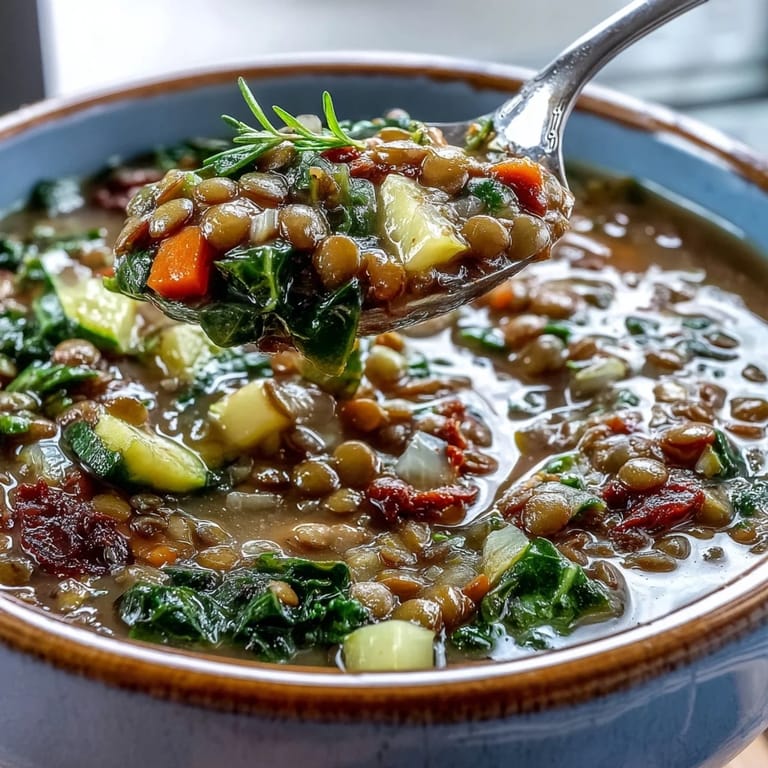
 I learned the power of this soup when my neighbor was recovering from surgery and I brought her a few containers, frozen flat so they'd thaw quickly. Weeks later she told me she'd heated it up on hard mornings when nothing else sounded good, and it had anchored her somehow. That's when I understood that the best recipes aren't just about feeding people—they're about showing up for them in a way that tastes like care.
The Beauty of Seasonal Swaps
This soup is honestly a template waiting for your season. I've made it with sweet potato in fall, swapped bell peppers in for zucchini when they were abundant, and once added parsnips because I bought too many at the farmers market. The structure stays the same, but the personality changes with what's growing around you, which means you'll never get bored making it.
When You Want It Creamier
If you're in the mood for something with more body but not actual cream, here's a trick I stumbled on: take an immersion blender after the lentils are tender but before you add the greens, and pulse about a third of the soup until it's broken down but still chunky. Put it back in the pot and everything becomes silkier and more substantial without losing that wholesome feeling.
Making It a Complete Meal
Soup alone can feel incomplete, and I've learned that what you serve alongside it matters more than you'd think. A good crusty bread is non-negotiable for dipping, and a squeeze of lemon at the table adds brightness that each person can control themselves. If you want to get fancy without extra effort, a light white wine like Sauvignon Blanc sits beside this soup beautifully, cutting through the earthiness with its own sharpness.
- A hunk of good bread is worth more than you'd guess when you're eating soup—don't underestimate it.
- Fresh parsley isn't just garnish; it adds a clean bite that keeps the soup from tasting too heavy.
- Lemon wedges let people adjust the brightness themselves, which means everyone gets the version they actually want.
 Save on Pinterest
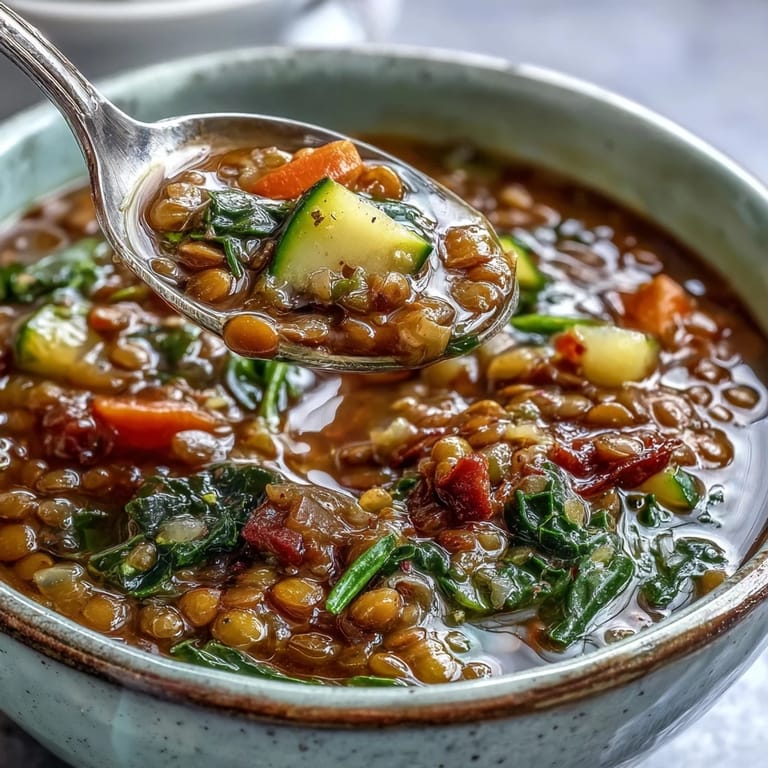
 This soup has become my answer to so many moments—when I need comfort without complexity, when I'm cooking for people I care about, when I want to feed myself something that actually nourishes. It's the kind of recipe that grows with you rather than staying stuck in one moment.
Recipe Questions & Answers
- → Can I use red lentils instead of brown or green?
Red lentils cook faster and tend to break down more, creating a thicker, creamier consistency. They work well but reduce the simmering time to about 15-20 minutes total to prevent them from becoming mushy.
- → How long does this soup keep in the refrigerator?
Stored in an airtight container, this soup will keep for 4-5 days in the refrigerator. The flavors actually develop and improve over time, making it excellent for meal prep.
- → Can I freeze this lentil soup?
Yes, this soup freezes exceptionally well. Cool completely before transferring to freezer-safe containers. It will keep for up to 3 months. Thaw overnight in the refrigerator and reheat gently on the stovetop.
- → What can I serve with lentil soup?
Crusty bread, garlic naan, or a simple green salad make excellent accompaniments. For a more substantial meal, serve alongside roasted vegetables or a light grain salad.
- → How can I make this soup more protein-rich?
Add a can of drained chickpeas during the last 10 minutes of cooking, or stir in a handful of quinoa. You can also serve with a dollop of Greek yogurt or a sprinkle of hemp seeds.
- → Why should I add lemon at the end?
A squeeze of fresh lemon juice brightens the earthy flavors of the lentils and spices, adding a fresh acidity that balances the rich, hearty nature of the soup.