 Save on Pinterest
 My neighbor showed up with a bag of fresh guavas one afternoon, insisting I had to do something with them besides the usual juice routine. I stood in my kitchen staring at these wrinkled pink fruits, wondering if I was about to make a terrible decision or stumble onto something brilliant. That night, I threw together a sauce that tasted nothing like the ketchup-heavy barbecue sauces I'd grown up with—tropical, smoky, and unexpectedly balanced. Now it's the first thing people ask me to bring to cookouts, which still surprises me given how accidental it all was.
I'll never forget my friend Marcus tasting it for the first time at a Fourth of July gathering—he went quiet, then asked what was different about the ribs, convinced I'd hired a caterer. When I told him the sauce was homemade, he asked for the recipe three times that night alone. His reaction taught me that good food doesn't announce itself with fancy techniques or expensive ingredients; it just quietly wins people over.
Ingredients
- Guava paste: The heart of this sauce—look for it in Latin grocery stores or specialty sections, and don't skip it even if you're tempted by guava jelly, because paste gives you better body and deeper flavor.
- Apple cider vinegar: This is what cuts through the sweetness and gives the sauce its personality, so measure it honestly rather than eyeballing.
- Smoked paprika: Buy the good stuff if you can; it's the secret whisper that makes people ask what they're tasting without being able to pin it down.
- Brown sugar and molasses: Together these create a depth that regular sugar never could, adding warmth without making the sauce taste like dessert.
- Soy sauce or tamari: A tablespoon might seem small, but it rounds out all the other flavors like an invisible hand bringing everything into focus.
Tired of Takeout? 🥡
Get 10 meals you can make faster than delivery arrives. Seriously.
One email. No spam. Unsubscribe anytime.
Instructions
- Soften the aromatics:
- Heat your olive oil in a medium saucepan and let the onion dance in there for a few minutes until it turns translucent and smells like the kitchen is already getting serious. Add the garlic for just one more minute—you want to hear it sizzle, not watch it brown.
- Build the tropical base:
- Pour in your guava paste, water, and vinegar, stirring until the paste relaxes and breaks down into the liquid. It'll look a bit awkward at first, like the ingredients haven't quite agreed to get along, but they will.
- Layer in the spices:
- Add all your spices at once—paprika, cumin, pepper, chili powder, allspice, cinnamon, salt, and those red pepper flakes if you're feeling bold. Stir for a good minute so everything wakes up and starts talking to each other.
- Add sweetness and umami:
- Stir in the brown sugar, molasses, mustard, and soy sauce, making sure nothing sticks to the bottom of the pan. This is where the sauce goes from interesting to irresistible.
- Simmer gently:
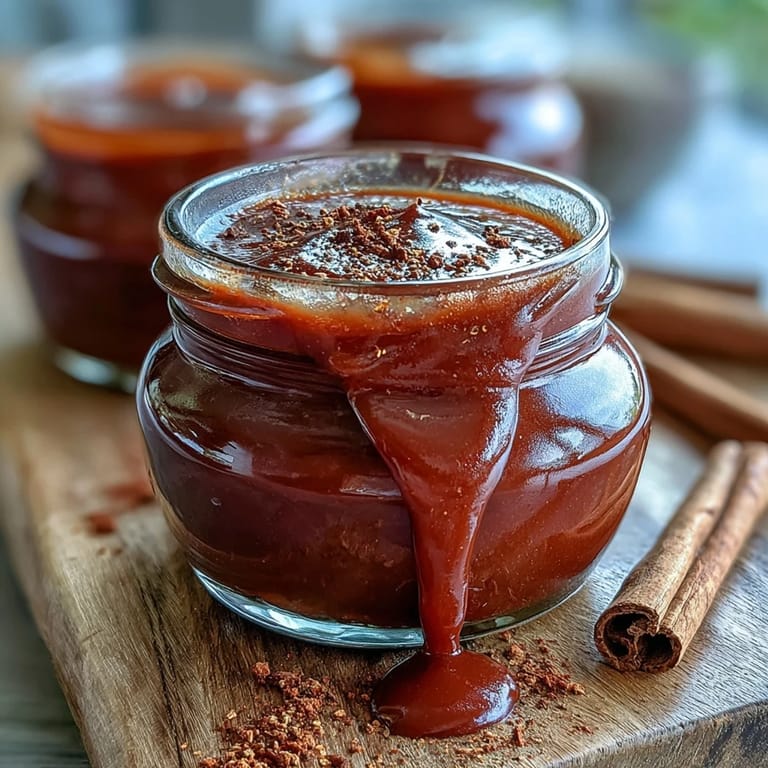
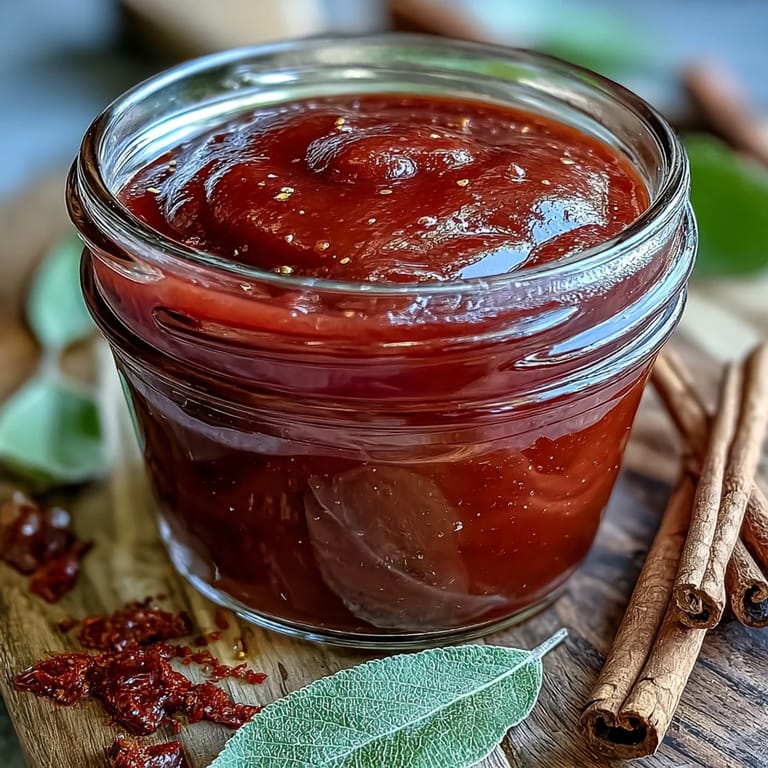
- Bring it to a soft simmer and let it bubble away for 15 to 20 minutes, stirring now and then so nothing catches on the edges. You'll know it's ready when it looks glossy and coats the back of a spoon like liquid velvet.
- Smooth it out:
- An immersion blender is your friend here—blend right in the pot until the sauce is completely smooth and there are no little chunks of guava hiding around. If you're using a regular blender, let it cool a touch first so you don't end up with hot sauce on your ceiling.
 Save on Pinterest
 There's something almost meditative about watching the sauce darken and thicken, knowing that in a few hours it'll be cool and ready to transform whatever you throw at it. That moment when someone tastes it and realizes it came from your own hands rather than a bottle—that never gets old.
When to Use This Sauce
Brush this over chicken thighs in the last few minutes of grilling so it caramelizes without burning, or use it as a dipping sauce for roasted vegetables and grilled tofu that needs a flavor wake-up call. I've spooned it over rice bowls, stirred it into ground turkey for tacos, and even drizzled it on roasted carrots when I was feeling creative and a little bit hungry at dinner time.
Storage and Make-Ahead Magic
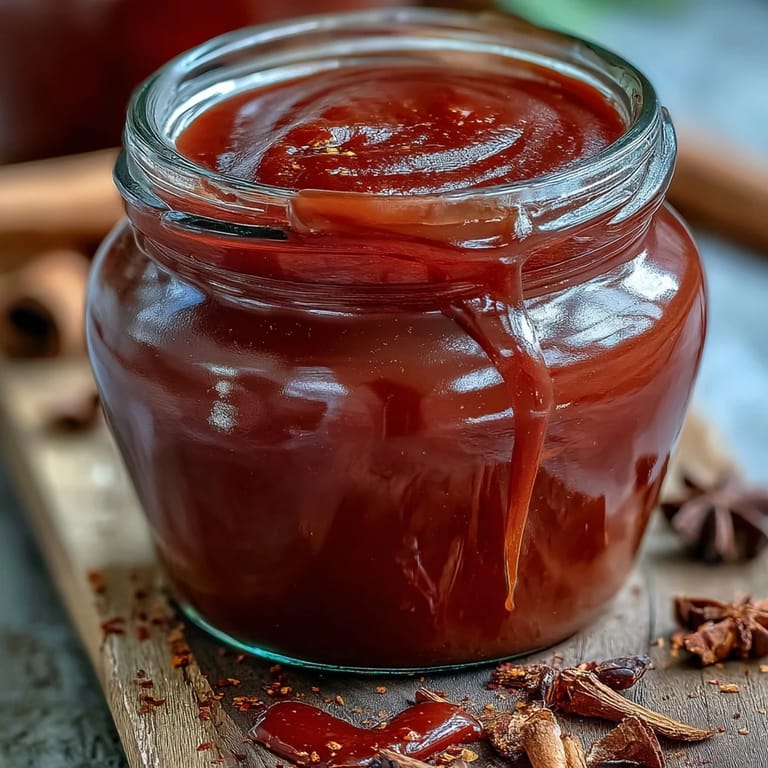
Once the sauce cools completely, pour it into a clean glass jar and keep it in the fridge where it'll last comfortably for two weeks—though honestly, it usually disappears faster. If you want to make a double batch on a weekend afternoon, that's the kind of decision that makes weeknight cooking feel less like a chore and more like an option you actually have.
Tweaking It to Your Taste
This sauce is forgiving enough to let you make it your own, which is partly why it became such a favorite in my kitchen. Start with the recipe as written, then trust your instincts about heat level, sweetness, and tang.
- If it tastes too sweet, add another tablespoon of apple cider vinegar and let it simmer for two more minutes to marry the flavors.
- For more heat, stir in extra chili powder or a dash of hot sauce rather than just relying on red pepper flakes alone.
- If the texture feels too thick, thin it with a splash of water until it reaches the consistency you actually want to use.
 Save on Pinterest
 This sauce proved to me that the best kitchen discoveries often come from having no real plan and just following your nose. Keep a jar of it close by and you'll find reasons to use it every single week.
Recipe Questions & Answers
- → Can I use guava jelly instead of guava paste?
Yes, guava jelly works as a substitute. Since jelly contains more liquid and sugar than paste, reduce the added brown sugar by half to maintain the proper balance of flavors.
- → How long does this sauce keep in the refrigerator?
When stored in a clean, airtight jar, this homemade sauce stays fresh for up to two weeks in the refrigerator. Always use a clean utensil when scooping to extend shelf life.
- → Is this sauce spicy?
The sauce has mild to moderate heat from chili powder and optional red pepper flakes. You can easily adjust the spice level by increasing or decreasing these ingredients to suit your taste.
- → What dishes pair well with guava BBQ sauce?
This sauce complements grilled chicken, pork chops, ribs, and shrimp beautifully. It also works as a condiment for burgers, a dipping sauce for fried foods, or a glaze for roasted vegetables and tofu.
- → Can I make this sauce gluten-free?
Yes, simply substitute regular soy sauce with gluten-free tamari. All other ingredients, including guava paste and spices, are naturally gluten-free.
- → Do I need to blend the sauce?
Blending creates a smooth, glossy texture, but it's optional. If you prefer a chunkier sauce with bits of onion and garlic, skip the blending step and enjoy the rustic texture.